


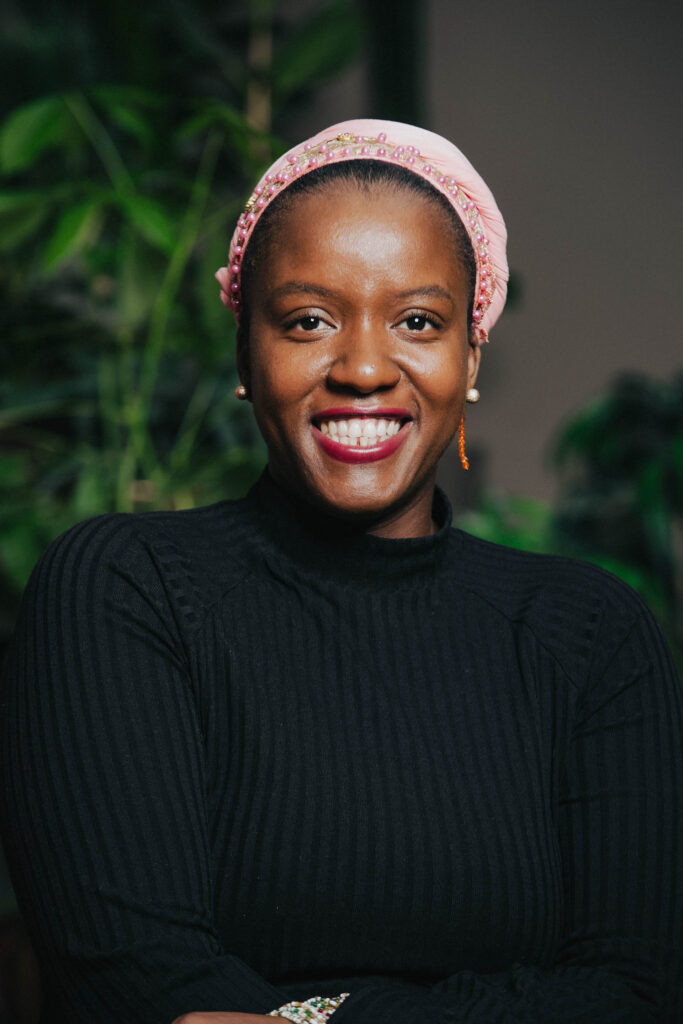
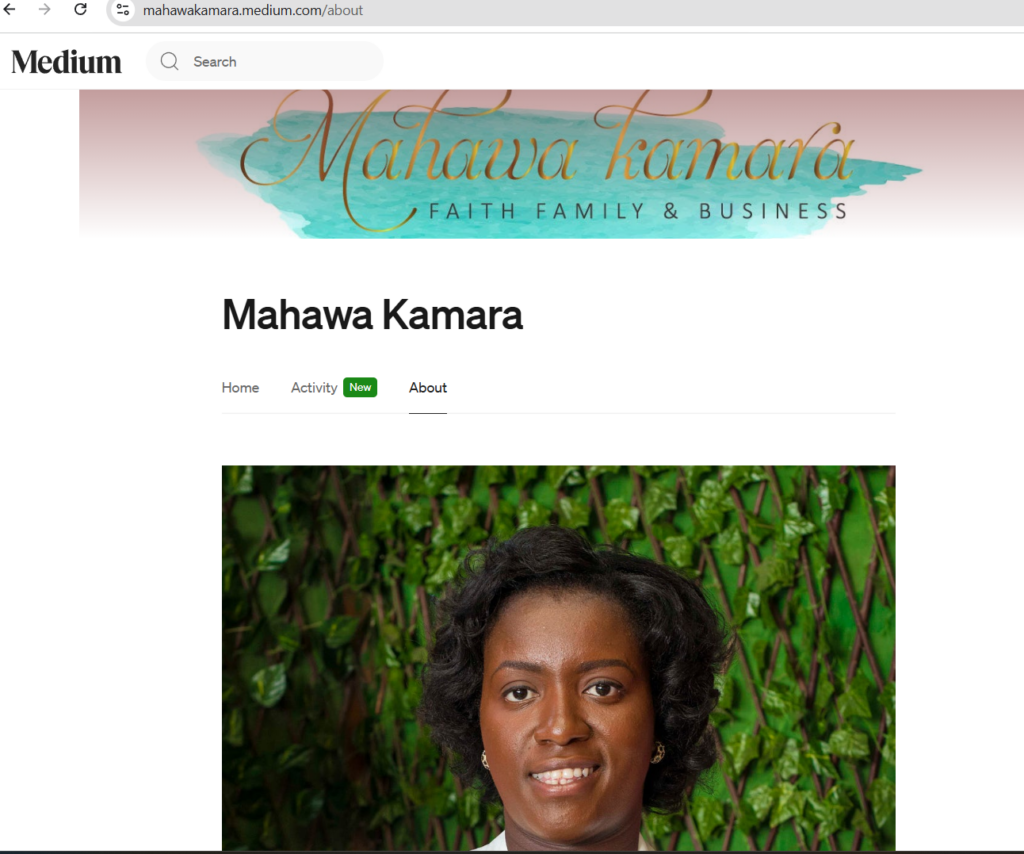
Mahawa Kamara is a British-Sierra Leonean entrepreneur working at the intersection of informal enterprise and structured growth in Sierra Leone. After observing that many grassroots businesses generate high daily income but remain excluded from formal investment because they lack the systems needed to demonstrate their value, she founded Connoisseur Consults SL to help bridge that gap.
Her work focuses on building practical, context-driven systems that enable small businesses to move from survival to sustainability. This approach reshapes perceptions and support for informal entrepreneurs, positioning them as investable, growth-ready contributors to the economy.
In her interview, Mahawa Kamara reflects on the experiences and observations that have guided her approach and the principles that continue to shape her work with grassroots entrepreneurs.


Can you take us back to the moment you first became interested in bridging the gap between the informal economy and the formal business world? What inspired you to found Connoisseur Consults SL?
“There wasn’t one single moment, but rather a glaring, persistent contradiction I couldn’t ignore. I looked at the market and realised that the capital already exists, but the structure does not. I saw grassroots businesses handling massive daily cash flows, yet they were completely locked out of formal investment because they lacked the operational architecture to prove their numbers. I founded Connoisseur Consults because I realised we were trying to scale chaos. The ecosystem needed an intervention focused entirely on the principle of “structure before scale.” We wanted an advisory firm that provided practical systems to solve real business challenges, not just theoretical ideas.”

Returning home from the diaspora to implement ground-level solutions can be challenging. What were some of the biggest challenges you faced working with grassroots entrepreneurs and informal traders, and how did those experiences shape your approach?
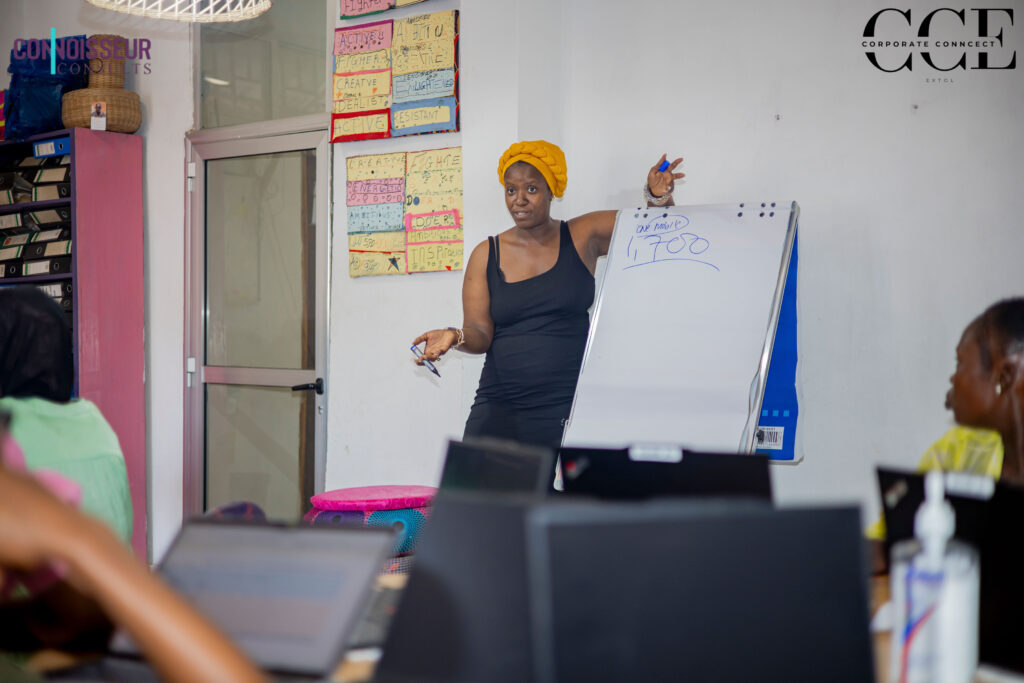
“The biggest challenge was the immediate realisation that Western, copy-and-paste corporate templates do not survive contact with the reality of the Sierra Leonean market. You cannot hand a 50-page standard operating procedure to a cash-heavy informal business that is operating in survival mode. The friction of trying to force rigid frameworks onto fluid businesses shaped my entire approach. It taught me that our engagements must be practical, phased, and deeply contextual. We learned to design systems that fit real business operations, not just theoretical ones. It forced us to prioritise clarity, usability, and sustainability over complexity.”
Your framework, Systems for Informal Wealth (SFIW), emphasizes “systems before tech.” What inspired this approach, and how does it help micro and small businesses become structured and investable?
“The tech and development worlds often assume that throwing an app or a digital platform at an informal business will magically fix its problems. But you cannot digitise a broken process. SFIW was inspired by the urgent need to build the “layer before tech.” We work with businesses that are already generating revenue but lack the necessary systems to track, manage, and sustainably grow that wealth. SFIW helps founders transition from a “hustle” mindset to a structured enterprise by replacing chaos with practical systems. We help them separate personal survival cash from business performance capital, creating total financial visibility. Once that structure is in place, they transition from being invisible to formal capital to being bankable and investable.”

Through your work, you are helping change the narrative around the African market woman and informal trader from a charity case to an economic powerhouse. Why is this shift in perspective so important?
“Because the narrative dictates how capital flows. For decades, the informal trader has been targeted by micro-grants and charity, which keeps them locked in survival mode. When you see that the informal sector drives most of our national GDP, you view these operators as institutional partners rather than charity cases. At Connoisseur Consults, we believe African businesses have the talent to compete anywhere in the world, but many are simply held back by weak systems and poor structure. Shifting this perspective is critical because it moves the ecosystem’s focus from “saving” these businesses to structuring them for massive scale.”

As founder of Connoisseur Consults SL, what vision do you have for the future of the company and the role it can play in transforming entrepreneurship and SME growth across Sierra Leone and West Africa?
“My vision is for Connoisseur Consults to be the definitive bridge between local market reality and global investability. Whether you are a local founder in Freetown or a diaspora-led business building from afar, we want to be the hands-on strategists you partner with. Beyond consulting for individual SMEs, we are scaling this vision to the macroeconomic level through initiatives like the Diaspora Capital & Business Forum (DCBF). Ultimately, we are building the operational infrastructure required for national prosperity. We want to see a West Africa where informal wealth is systematically transformed into structured, sustainable, and value-driven businesses that solve real problems and contribute meaningfully to our economies.”
The Informal Economy and Economic Growth
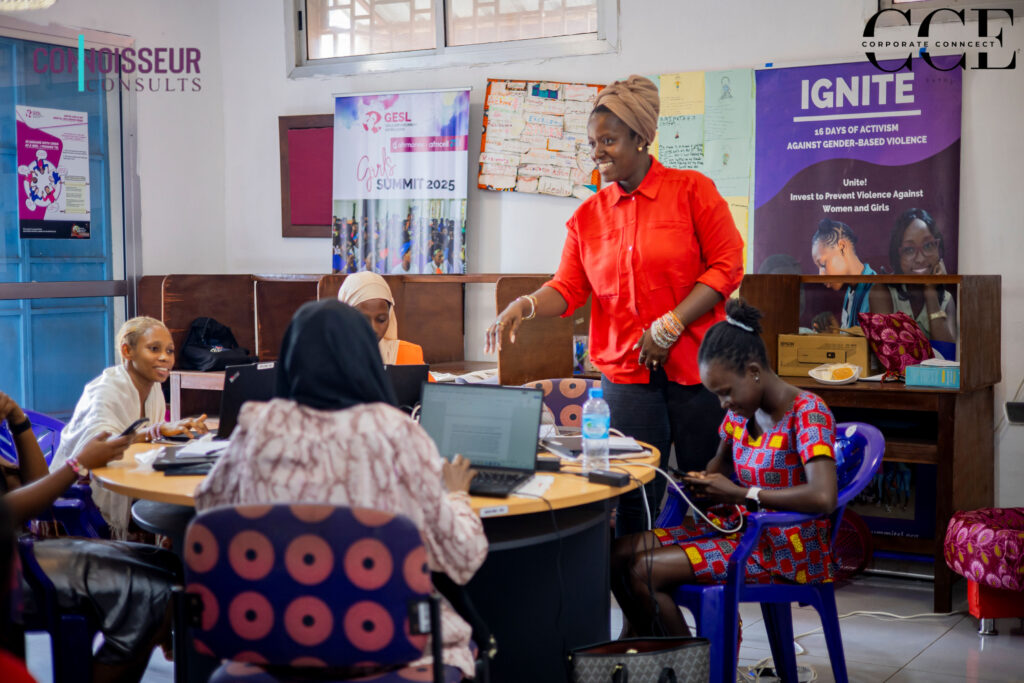
Mahawa Kamara’s story sits at the heart of a broader reality within the informal economy, where significant economic activity exists but often remains unstructured and therefore underrecognized. Through her work with Connoisseur Consults SL, she highlights how the challenge is not the absence of capital or entrepreneurship, but the absence of systems that allow these businesses to be seen, measured, and supported within formal financial ecosystems.
Her method shows how important the informal economy is to economic growth. By helping grassroots businesses build structure, improve financial visibility, and adopt practical systems, she enables them to transition into entities that can attract investment and scale sustainably. In doing so, her work contributes to unlocking the economic potential embedded within the informal sector, which plays a central role in livelihoods and national output across Sierra Leone and much of West Africa.
Ultimately, her story illustrates that formalization is not about replacing the informal economy but about strengthening it. When informal businesses get help to become more organized and able to attract investment, they turn into important sources of growth that benefit everyone, supporting the goal of decent work and economic growth while also helping to reduce inequalities and promote sustainable development in the area.
Learn more about her work here: https://www.hhll.co.uk/single-post/empowering-entrepreneurs-mahawa-kamara-s-journey-from-