


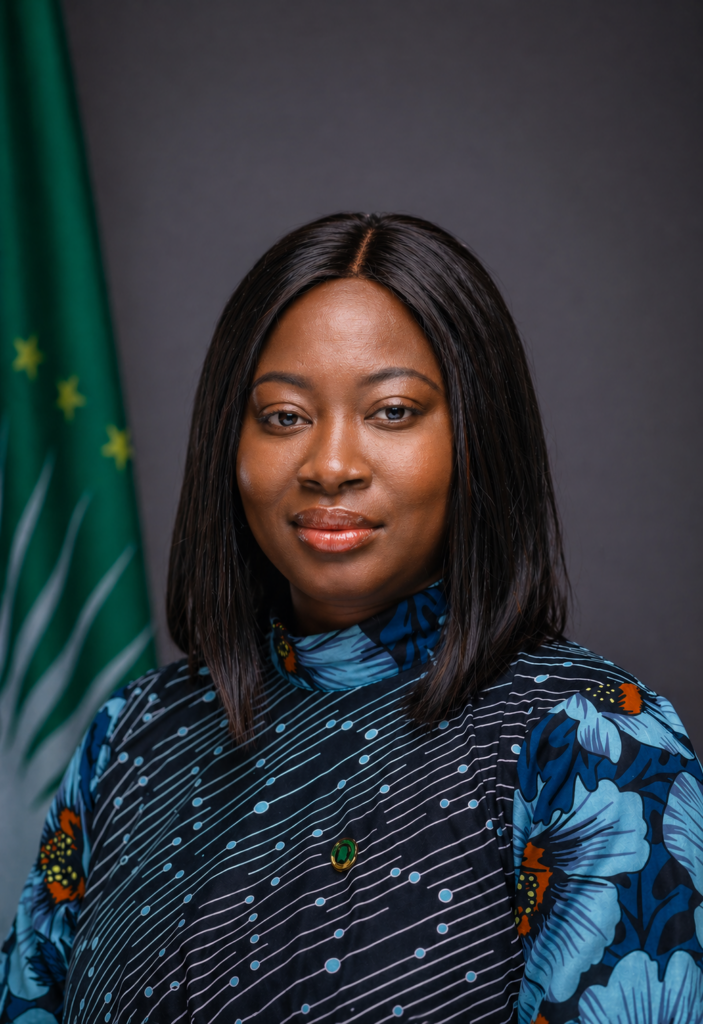
Meet Hon. Satang Nabaneh, LL.D., PhD, a member of the African Committee of Experts on the Rights and Welfare of the Child (ACERWC) and Special Rapporteur on Violence Against Children. She is also a Research Professor of Law and Director of Programs at the University of Dayton Human Rights Center and holds affiliated faculty and global fellow positions at the University of Pretoria and the Centre on Law & Social Transformation at CMI-University of Bergen. Dr. Nabaneh is a leading voice in international human rights and accountability, championing the inclusion of historically marginalized communities within global legal and policy spaces.

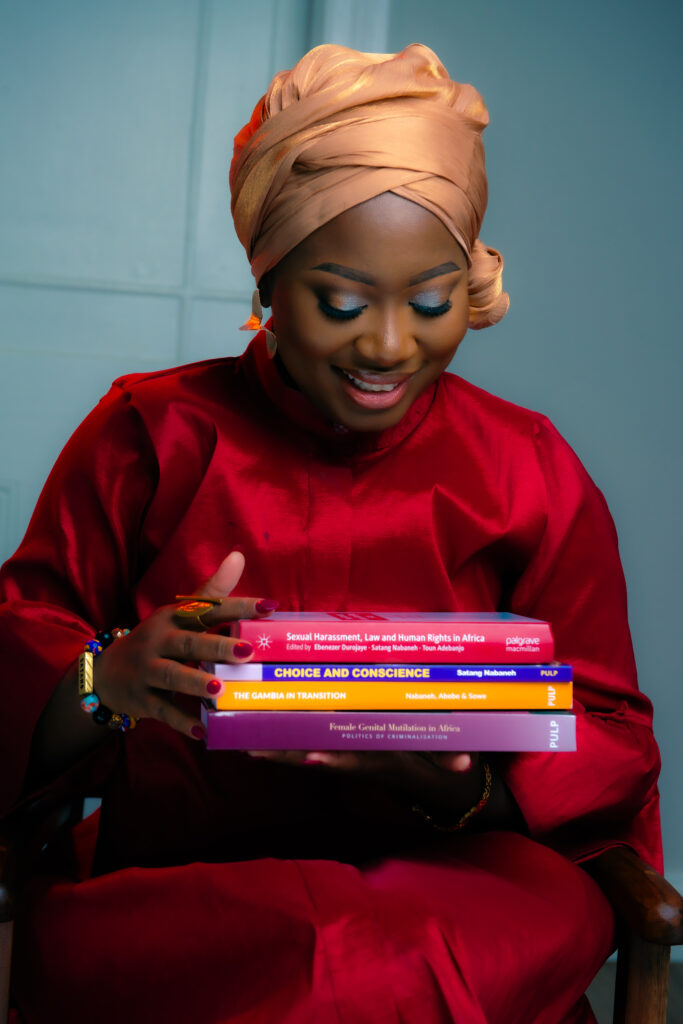
An award-winning interdisciplinary scholar, Dr. Nabaneh’s work bridges research, education, policy, and practice, shaping legal norms and influencing continental and global decision-making through partnerships with universities, foundations, and international institutions. Her scholarship and commentary have appeared in major academic and global media platforms, including The New York Times, Reuters, and Time. She has received several international honors, including being named a 2025 Women Have Wings Laureate and receiving the 2023 Justitia Women in Law Award. In recognition of her impact, The Africa Report named her one of 10 exceptionally talented African scholars to watch in 2024, while New African honored her among the “100 Most Influential Young Africans” in 2025.

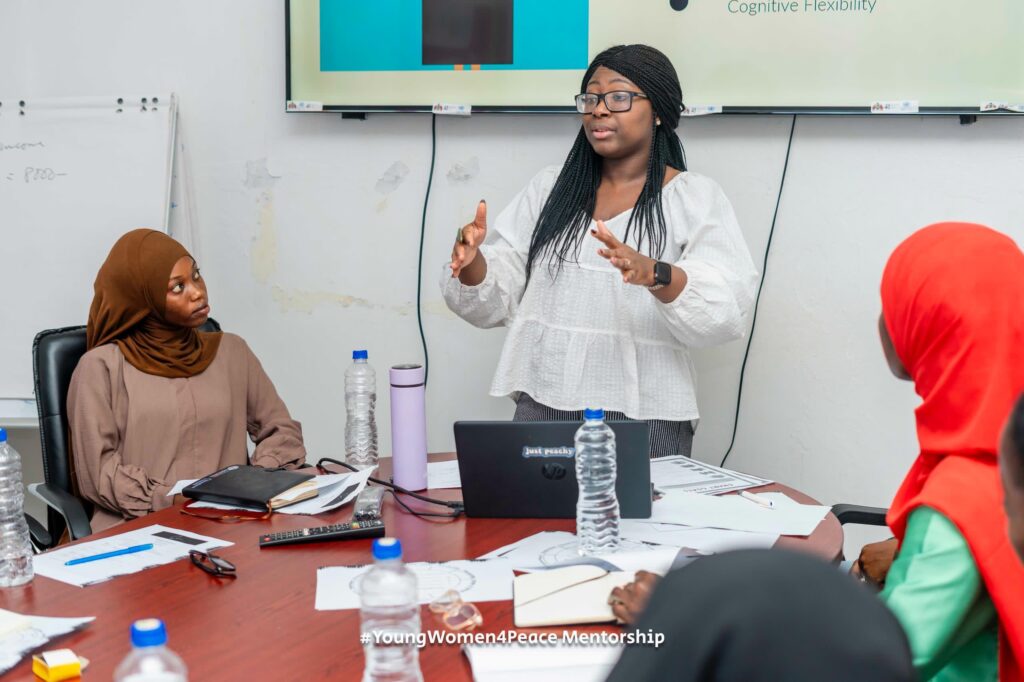
Nafisa Magazine had the privilege of engaging Dr. Nabaneh in an inspiring conversation exploring the experiences that shaped her journey, the impact of her work across Africa and beyond, and her powerful message for the next generation of changemakers.

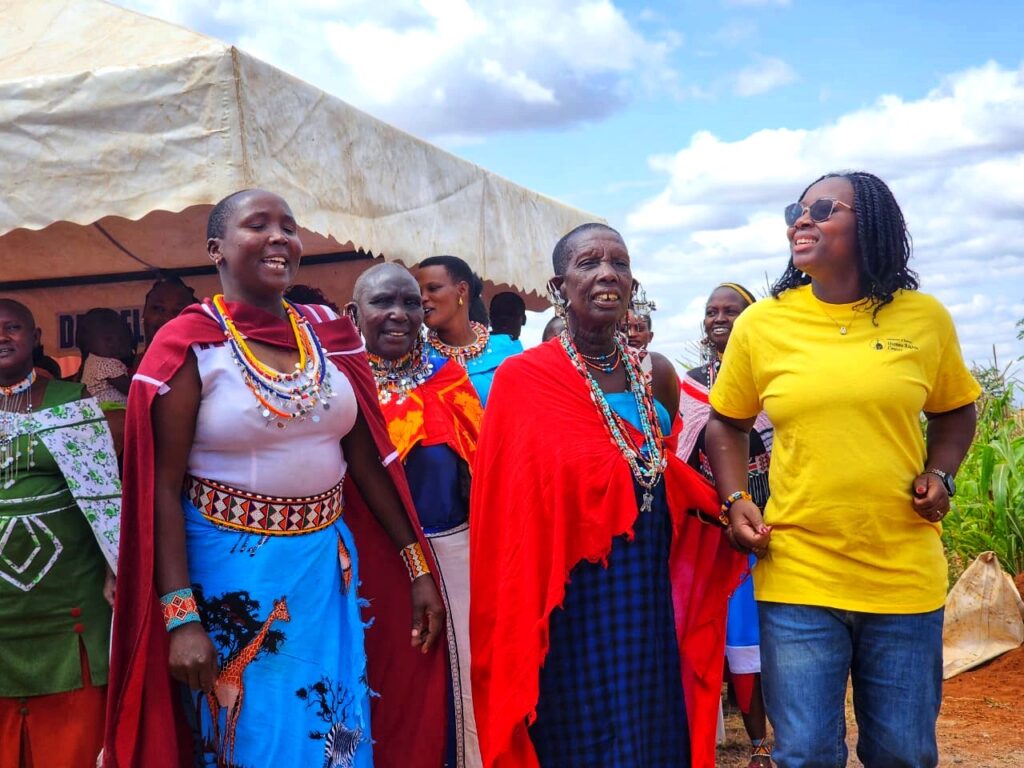
What inspired you to pursue human rights work in Africa, and what moment or experience compelled you to champion change in this field?
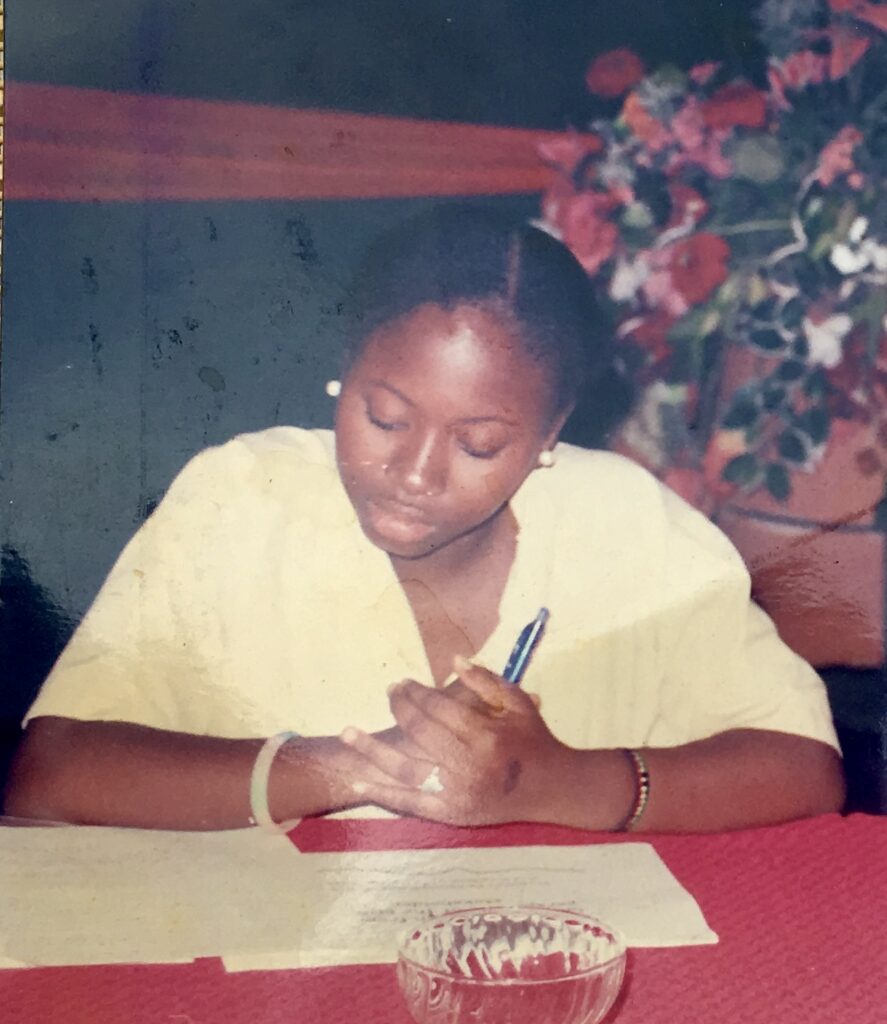
“From a very young age, I was drawn into advocacy and activism. At just eight years old, I served as a child rights advocate with the Gambian Red Cross, engaging in community education and rights promotion. By twelve, I had the privilege of representing The Gambia as the Child Representative to the Children’s Parliament of the World. These early experiences taught me the power of voice, agency, and challenging unjust norms. They instilled in me a lifelong commitment to confronting exclusion and advancing the rights and dignity of women, girls, and children across Africa. It was clear even then that meaningful change required not just awareness, but persistent advocacy and structural action.”

What aspects of Africa’s human rights challenges are most often misunderstood, and why do they matter?
“One of the most misunderstood aspects of human rights violations is their systemic nature and the extent to which they are embedded within social, political, and legal structures. Issues such as gender-based violence, child marriage, and discriminatory laws are often treated as isolated incidents rather than as interconnected manifestations of structural inequality. This misunderstanding can reduce them to mere cultural practices, instead of recognising them as serious human rights violations that demand legal reform, social intervention, and strong accountability mechanisms. Acknowledging the systemic nature of these harms is essential because it shapes more effective responses, ones that address root causes, institutional failures, and harmful social norms, rather than simply treating the symptoms.”

Looking back on your career, what personal qualities or choices have helped you make the greatest impact in human rights and governance?
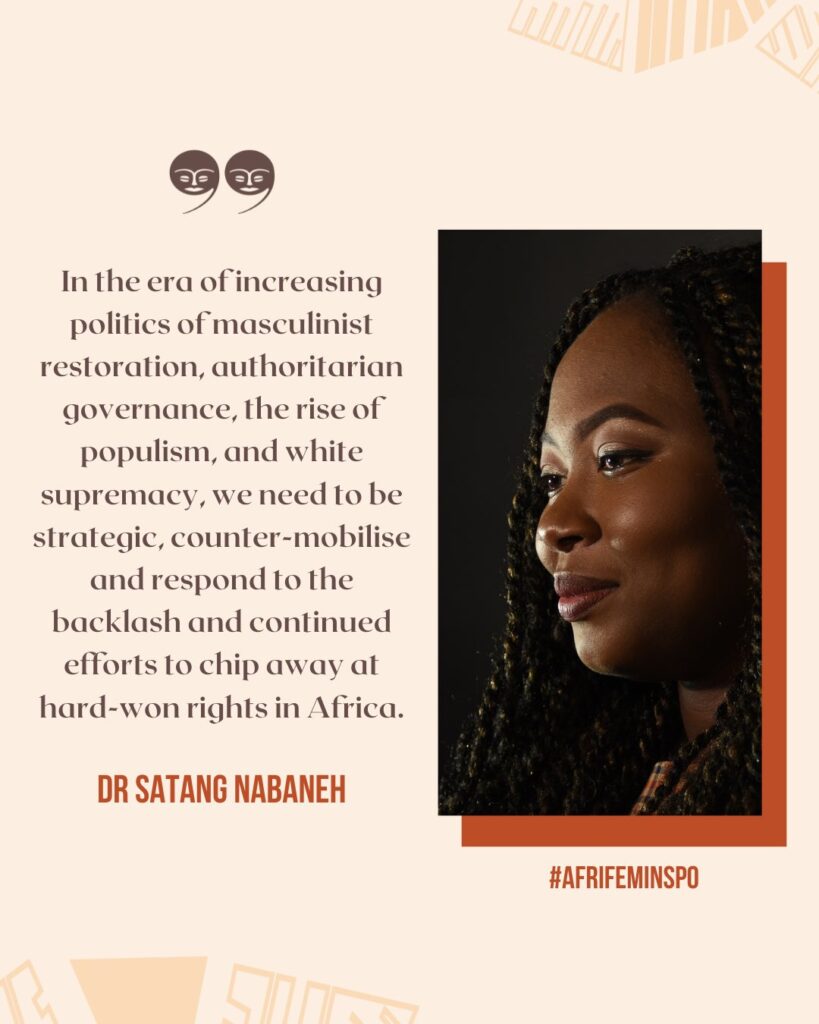
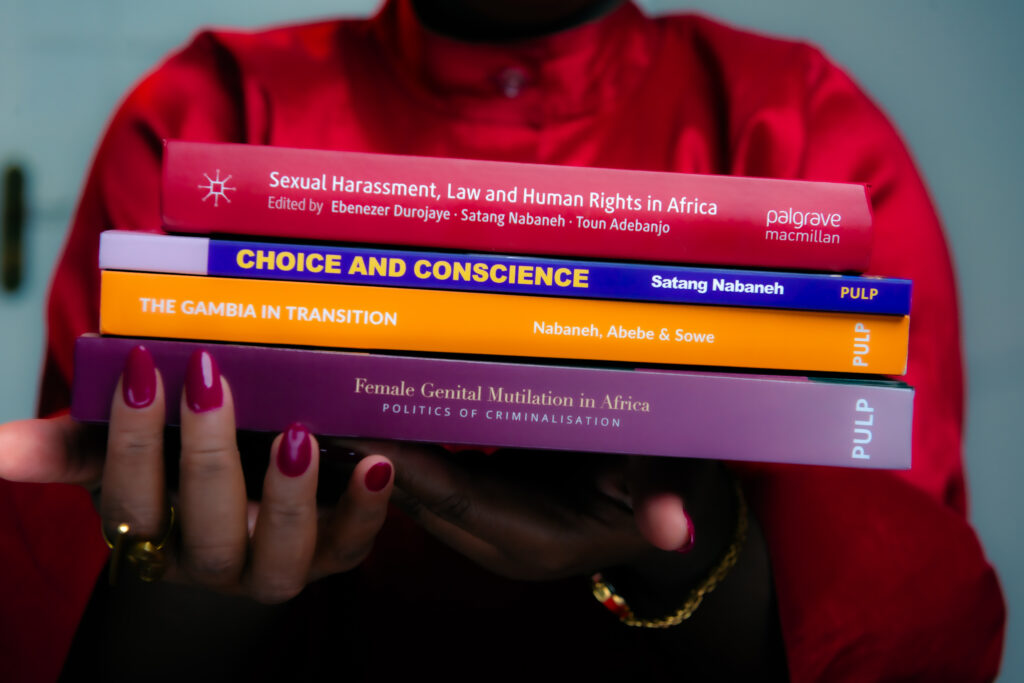
“Persistence, courage, and a commitment to bridging knowledge and practice have been central to my impact. Academically, I pursued interdisciplinary studies in law, gender, and human rights, culminating in a PhD in Law, which allowed me to analyse how legal systems intersect with social realities. Equally important, I have always believed that academia alone is not enough, ensuring my research translates into community impact. By integrating scholarship with grassroots engagement, I have been able to elevate local knowledge and lived experience, advance policy reforms, and support legal advocacy that is both evidence-based and responsive to real-world challenges.
Another quality that has shaped my work is the ability to listen and collaborate across communities, institutions, and disciplines. Human rights and governance challenges are complex and cannot be addressed in isolation. Building trust with communities, remaining open to diverse perspectives, and sustaining long-term commitment even in difficult environments have been essential in creating meaningful and lasting change.”

Research, advocacy, and community voices can shift systems. How do you see evidence and storytelling shaping the future of women’s and children’s rights across Africa?
“Evidence and storytelling are powerful tools for transforming norms and informing policy. They make visible the lived realities of women and children, giving voice to experiences often ignored or silenced. By documenting systemic abuses, analysing structural barriers, and sharing survivor-centred narratives, advocacy becomes both credible and compelling. Storytelling also humanises statistics, allowing communities, policymakers, and judicial systems to connect with the people behind the data. When combined with rigorous research, this approach strengthens legal reform, public awareness, and institutional accountability, ultimately shaping a more rights-focused future.
Importantly, African-led research and locally grounded storytelling are essential to ensuring that advocacy reflects the realities, priorities, and cultural contexts of the communities most affected. In an increasingly digital world, media platforms, youth voices, and community-driven narratives also have growing power to challenge harmful norms, mobilise public engagement, and influence governance processes across borders. When combined with rigorous research, these approaches strengthen legal reform, public awareness, and institutional accountability, ultimately shaping a more inclusive and rights-focused future for women and children across Africa.”

Looking ahead, what gives you hope for the future of human rights in Africa, and what advice would you give the next generation of African researchers, advocates, and leaders who want to make a difference?
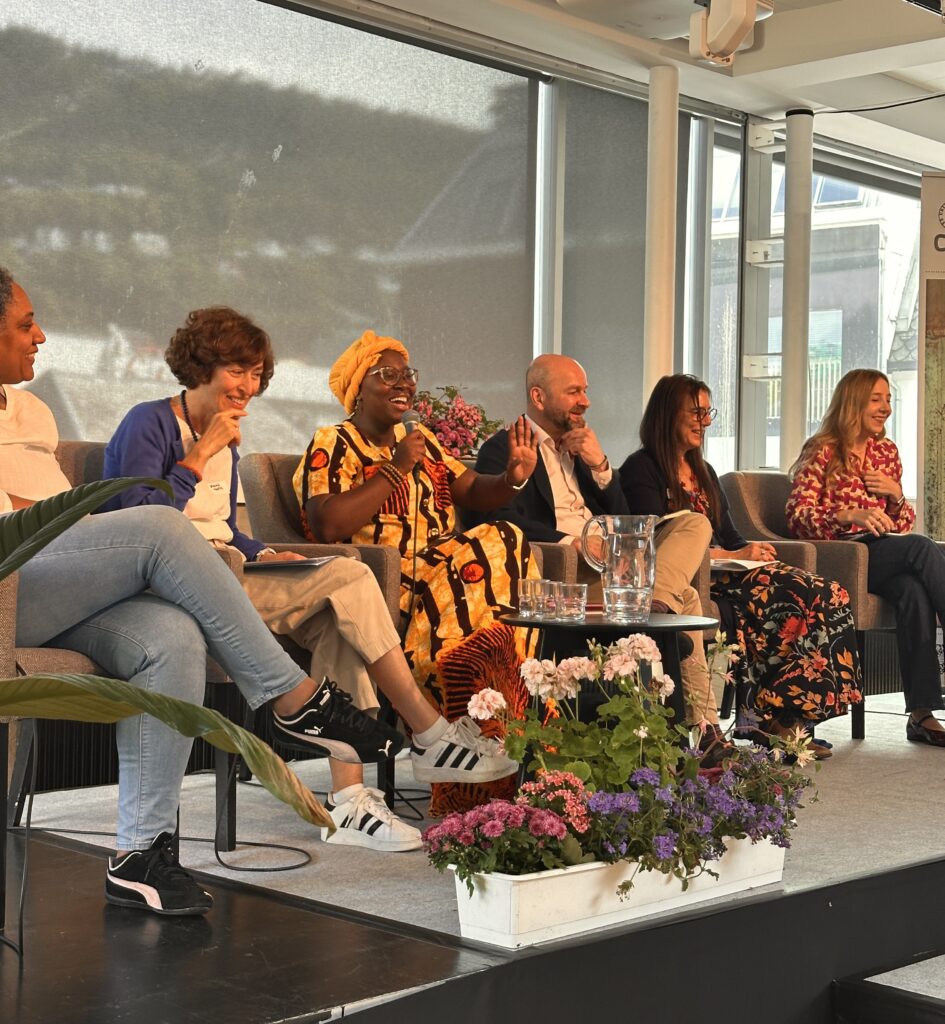
“I am heartened by the resilience, creativity, and courage of African activists, especially young women and girls, who are challenging entrenched inequalities and envisioning transformative change. My Gambian heritage, with its communal values and lived awareness of social injustice, fuels my belief that leadership rooted in service and solidarity can create lasting impact.
To the next generation, believe in your capacity to lead and transform. Cultural expectations or systemic barriers are challenges to meet with courage, resilience, and community. Invest in your education, seek mentors and allies, and ground your activism in compassion, integrity, and solidarity. At the same time, remain adaptable and open to collaboration across disciplines, communities, and borders, because meaningful change is rarely achieved alone. Remember that progress in human rights is often gradual, but persistence matters. Your voice, combining lived experience and intellect, adds indispensable value to global conversations on justice, rights, and equality. Your contribution matters, and it can help shape a more just and equitable future for Africa.”

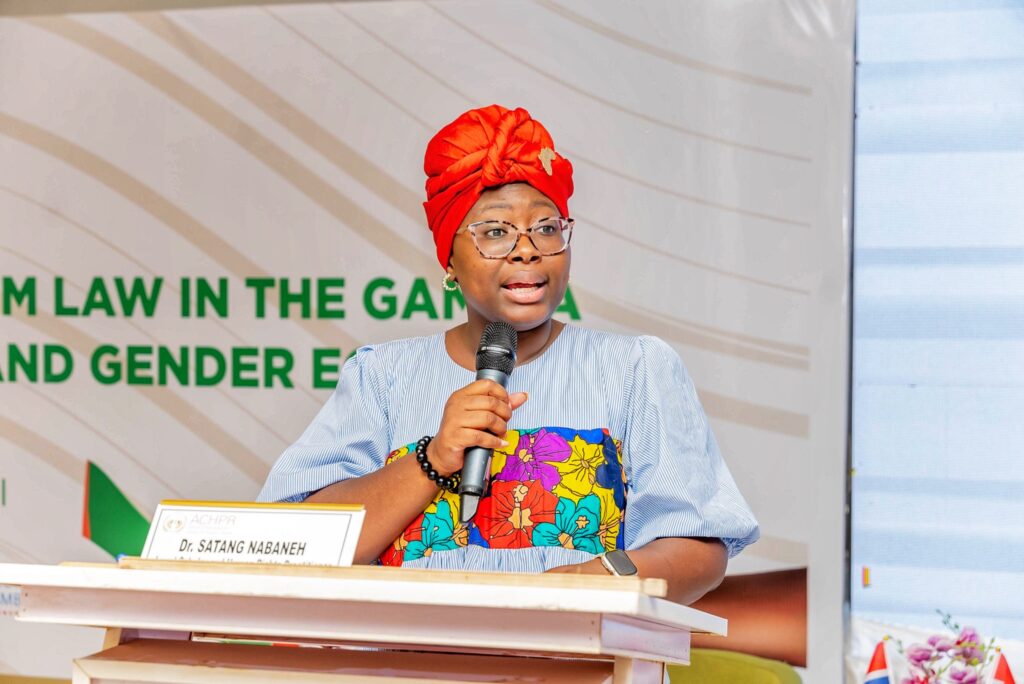
Advancing Justice and Equality for Africa’s Future
In a world where inequality, violence, and exclusion continue to threaten the lives and futures of women and children, Satang Nabaneh stands as a powerful example of transformative leadership rooted in justice, compassion, and action. Her work reflects the urgent need to strengthen systems that protect human dignity while amplifying the voices of those too often unheard.
Through her advocacy, teaching, research, and policy engagement, Dr. Nabaneh’s contributions align closely with the vision of the United Nations Sustainable Development Goals, particularly Goal 5 on Gender Equality, Goal 10 on Reduced Inequalities, Goal 16 on Peace, Justice and Strong Institutions, and Goal 17 on Partnerships for the Goals. Her efforts demonstrate that meaningful and lasting change requires collaboration across communities, institutions, and generations.
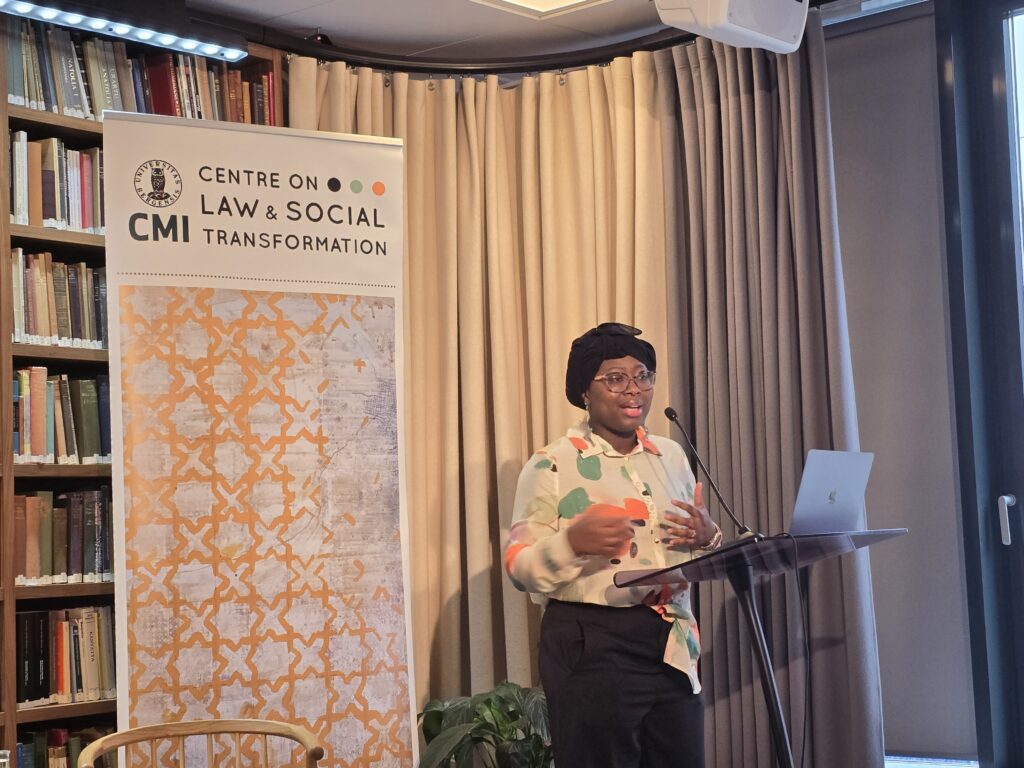
As Africa continues to shape its future, voices like Dr. Nabaneh’s remind us that progress is not only measured by policies and institutions but also by the courage to challenge injustice, protect the vulnerable, and create spaces where every child and every person can thrive with dignity and opportunity. Her journey serves as both an inspiration and a call to action for the next generation of African leaders, scholars, and changemakers committed to building a more just, inclusive, and equitable world.
Learn more about her work here: https://satangnabaneh.com/