


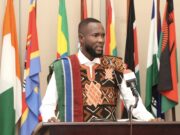


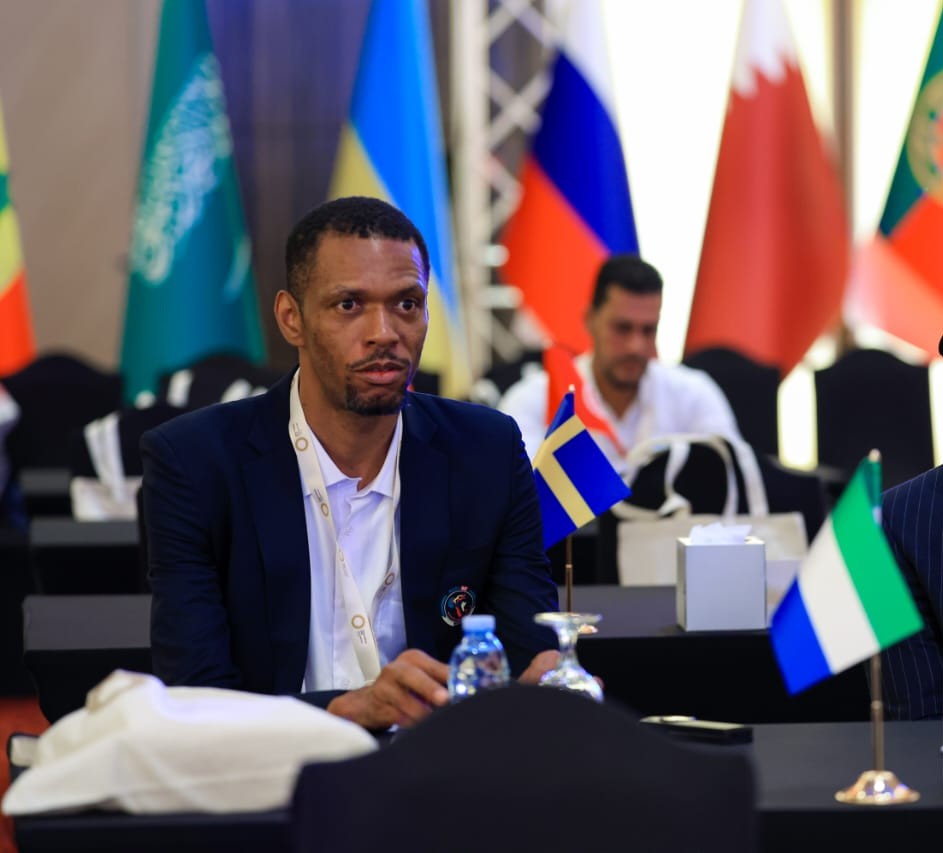
Meet Chief Dr. Michael Shamsu Mustapha, Secretary General of African Union Sports Council Region 2 (AUSC Region 2) and a distinguished leader in the advancement of sports across Africa.
He has held several high-profile and influential positions in the global sports sector, including membership on the African Union Sports Council Technical Committee, the Vice Presidency of the International Council of Traditional Sports and Games, the Presidency of the African Traditional Sports and Games Confederation, Expert Member of the ECOWAS Sport Policy Review Committee and the role of Special Advisor to UNESCO International Centre of Martial Arts for Youth Development and Engagement.
At the national level, as Deputy Director of Sports with the Government of Sierra Leone, he played a key role in shaping policies and programs, greatly contributing to the formation of the National Sports Authority of Sierra Leone. He also represented Sierra Leone as Ambassador on Sport for Development and Peace to the United Nations and Commonwealth Offices (including the Commonwealth Advisory Body on Sports – CABOS).
We had a conversation with him recently to learn more about his impactful work in driving sports for development across Africa.
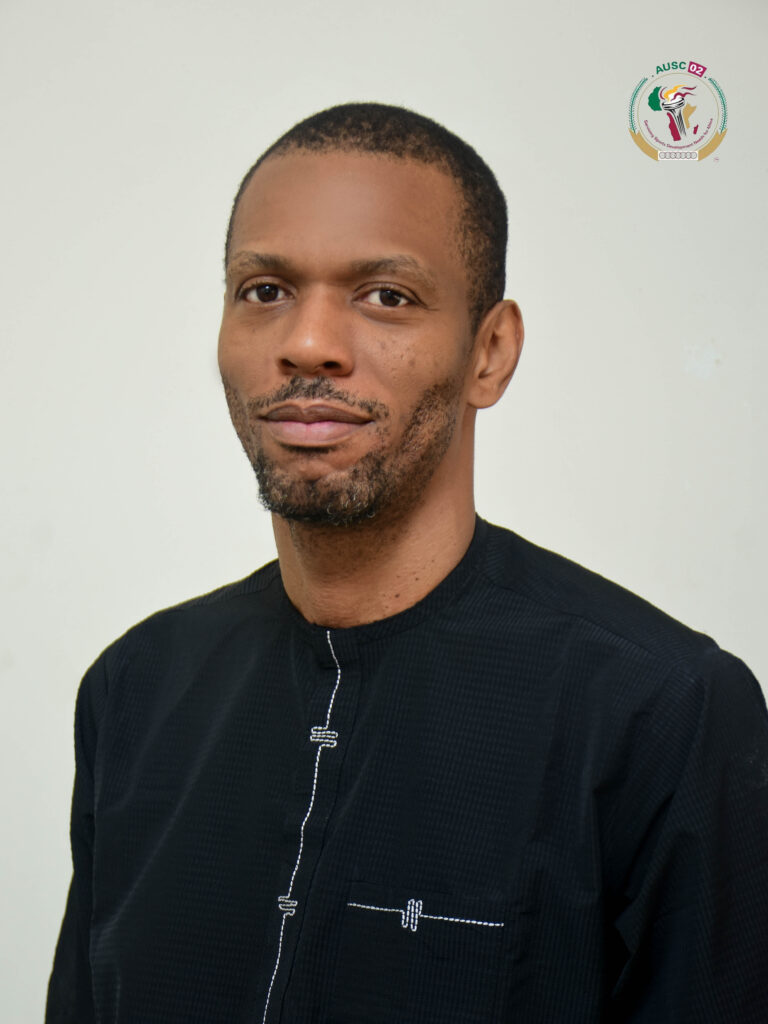
What inspired your journey into sports leadership and administration and how have your experiences shaped your vision for sports in Africa?
“My journey into sports leadership didn’t start in boardrooms. It started at St. Edward’s, where sport was more than competition; it was identity, unity and hope. I saw how it brought people together across cultures and that stayed with me.
What truly inspired me was the untapped talent around me. In schools and communities, there was potential, but there was no structure to support it. This realization pushed me toward administration, where I could help build systems that nurture talent, not just discover it.
Working at national, continental, and international levels exposed me to both challenges and possibilities, from policy gaps and limited funding to global best practices. One thing stood out clearly: Africa must define its own sporting identity, especially by elevating its traditional sports. My vision is to position sport as a strategic driver of development, unity and opportunity across Africa.”
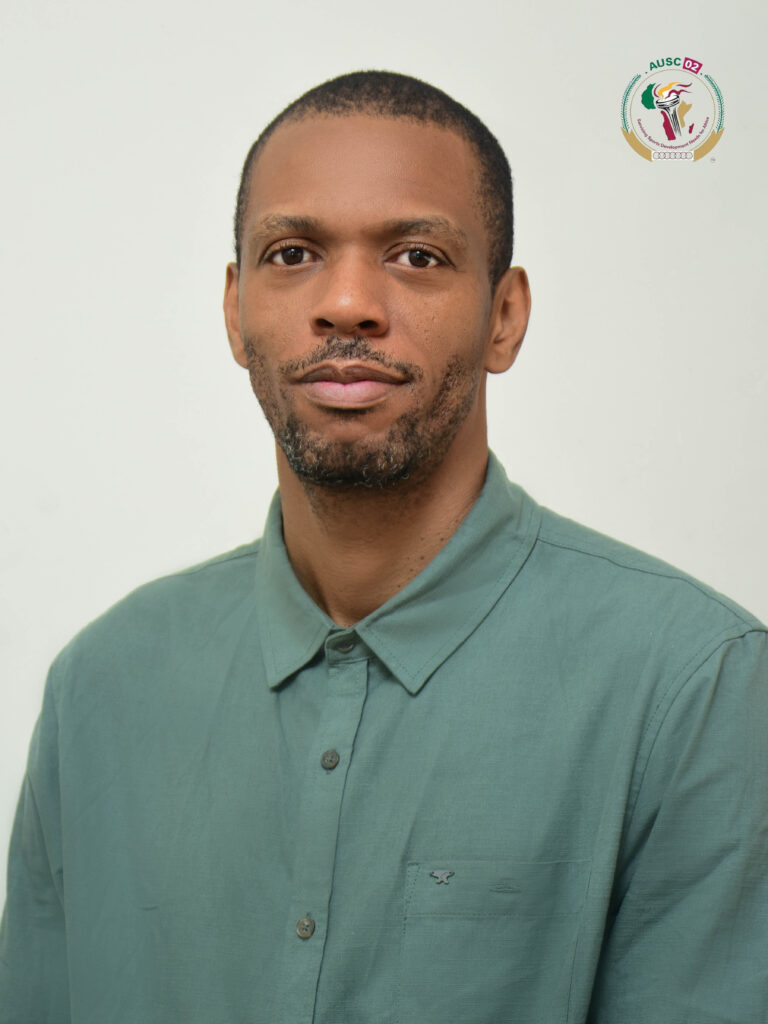
How do you see sports contributing to development, unity and youth empowerment across West Africa?
“Sport is one of the most powerful tools we have. It drives development, builds unity and empowers young people. Economically, it creates jobs across multiple sectors, from athletes to media and tourism. Socially, it brings together diverse cultures and helps build a shared African identity. For young people, it provides more than opportunity; it fosters discipline, leadership and a strong sense of purpose. I also intend to promote beach sports /events in the region to help boost tourism.
At the African Union Sports Council Region 2, we are focused on inclusivity, ensuring that women, rural youth and underserved communities are fully integrated into the system. We are also promoting traditional sports as a way to connect young people with their cultural heritage. If we invest in sport strategically, we are not just developing athletes. We are shaping societies.”
Why is preserving and elevating African Traditional Sports and Games important?
“Because they define who we are. African traditional sports are more than games. They carry our history, values and identity. In a globalized world, preserving them ensures that we do not lose our cultural voice.
But beyond preservation, they represent opportunity. With the right structures, they can create jobs, boost local economy and open new pathways for young people, especially in underserved communities. They also unite us. While the games may vary across countries, their spirit is shared. By elevating them, we turn local traditions into continental pride.
Ultimately, this is about ownership. It is about owning our story and contributing something uniquely African to the global sports landscape.”
How do you approach strengthening sports systems and leadership across Africa?
“My approach is simple. Build systems, not just events. This begins with strong governance, including clear policies, accountability and alignment across institutions.
Next, we invest in people by training leaders who understand both sport and strategy. Partnerships are also essential. We engage globally to access knowledge and resources, always keeping Africa’s priorities at the center.
Finally, innovation is crucial. We embrace technology, commercialization and new models, including for traditional sports. Sustainable sport in Africa will come from structure, collaboration and forward-thinking leadership.”
What legacy do you hope to leave and what message do you have for young Africans?
“I want my legacy to be about impact, not just events, but systems that last. That includes stronger institutions, better governance and the elevation of African traditional sports onto global platforms.
To young Africans, I say this: Sport is bigger than the field. Find your place in it. Equip yourself with knowledge, stay disciplined and think long-term. Most importantly, believe in Africa. The future of sport on this continent will be shaped by those who are bold enough to lead and committed enough to build.”
Sport for Development
Sport is a powerful driver of sustainable development in Africa. It promotes Good Health and Well-Being (Goal 3) by encouraging physical activity. Sport also contributes to Decent Work and Economic Growth (Goal 8) by creating jobs in coaching, events, tourism, media and administration. By reaching rural and underserved communities, it helps reduce disparities, supporting Reduced Inequalities (Goal 10). Strong governance in sport develops transparent and accountable institutions, reflecting Peace, Justice, and Strong Institutions (Goal 16).
Chief Dr. Michael Shamsu Mustapha’s vision shows that sport, when approached strategically, shapes not only athletes but entire societies. It empowers young people, celebrates African culture and drives sustainable development, leaving a lasting legacy of opportunity, unity and impact across the continent.
Learn more about his work here: https://www.linkedin.com/in/chief-michael-shamsu-mustapha-42895072/







This is impressive, Dr. Mustapha. Your journey to this height is inspirational, especially for young people. Keep up the good work; as a Sierra Leonean, I am proud of your achievements.
Proud of you my President ATSGC Chief Dr. Mustapha