














About two months ago, on a calm evening after a long day, this author found herself idly scrolling through WhatsApp when a most delightful message from Sunnah Jaba-Sandi illuminated her screen. The news? Sunnah, Legal Practitioner and Executive Director of Strong Girls Evolution, had just secured her place in the A+ Alliance Community Learning Programme.
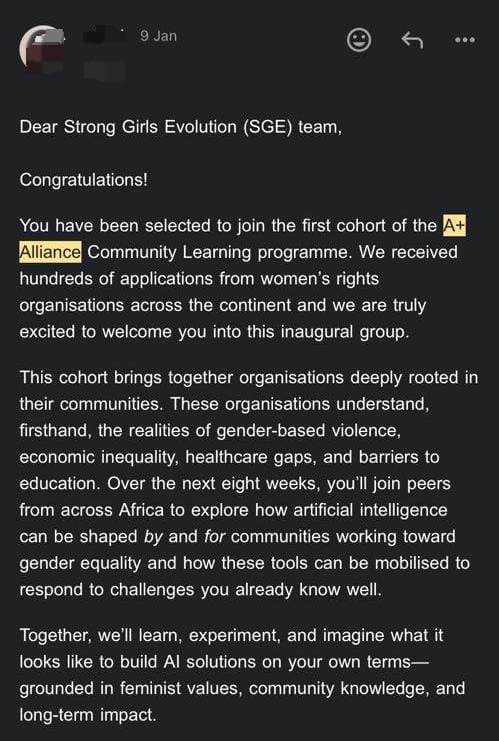
One can only imagine her excitement at joining a platform devoted to harnessing artificial intelligence in the fight against digital violence, guided by feminist principles, collective wisdom, and the promise of lasting change. Yet, dear reader, that excitement stood against a stark reality. Nearly 1.78 billion women and girls worldwide are without legal protection against digital violence, and in Sub-Saharan Africa, only 25% of countries provide such legal safeguards. The matter, as you can see, is far from trivial.
And so, in the spirit of Women’s Month and guided by the noble principle of Give to Gain, this author sought an audience with Sunnah to discuss digital violence and how knowledge, when wielded wisely, may yet transform the safety of our shared digital society.

Sunnah, if digital violence had a face, what would it look like, and would we recognize it in our everyday scrolling?
“If digital violence had a face, it would be a shifty figure, constantly changing forms. It appears in many ways, hides behind screens, and often goes unseen. If it had eyes, they would be everywhere, stalking and invading people’s privacy. Its mouth would speak hateful words, insults, and abuse. Unlike a human face, it would be invisible but powerful, able to impersonate anyone. This is something we notice every day online, scrolling through hateful speech and harmful comments.”
People often say, “Just log off.” Is it really that simple, especially for girls growing up online?
“Logging off is just one option, but it is not the best, especially in the digital age. Young girls use the internet as a place for learning, creativity, and connection. The goal is not to push girls out of digital spaces but to create safe and empowering spaces for them online.”
As a lawyer and leader at Strong Girls Evolution, what is one myth about online harassment that you wish we would finally retire?
“One myth is the belief that online violence does not affect health and that its impact is less severe than physical abuse. Many people forget that digital abuse can have serious consequences, leading to depression, isolation, and even suicidal thoughts.”
In your experience, how early are girls encountering digital hostility, and how is it shaping the way they see themselves?
“Girls sometimes begin to experience digital hostility as soon as they get their first internet-enabled phones, computers, or tablets. Their initial excitement is to connect and explore platforms such as WhatsApp, Facebook, TikTok, and Instagram. It is often through these spaces that they encounter hate speech, deepfakes, cyber harassment, and other forms of abuse. This can lead many to withdraw from digital spaces entirely, feeling that they do not measure up to the standards set by others online.”
When you think about the future of girls online, do you feel more hopeful or more concerned, and why?
“I feel deeply hopeful yet a little concerned. I am hopeful because many girls are claiming the digital space with courage and confidence, using it to learn, create, and explore their talents. On the other hand, I am concerned that even with the Cybersecurity Act and increased awareness of cybercrime, girls are still experiencing digital violence, much of which goes unreported.”
Championing Safety for Women and Girls Online
Digital abuse is escalating at an alarming pace, though much of it remains unseen and unreported. Determined to confront this silence, Sunnah Jaba-Sandi has been developing a dataset on technology-facilitated gender-based violence. Through it, she maps case studies across Africa, generating evidence that informs practical and policy-driven solutions to better protect women and girls online.
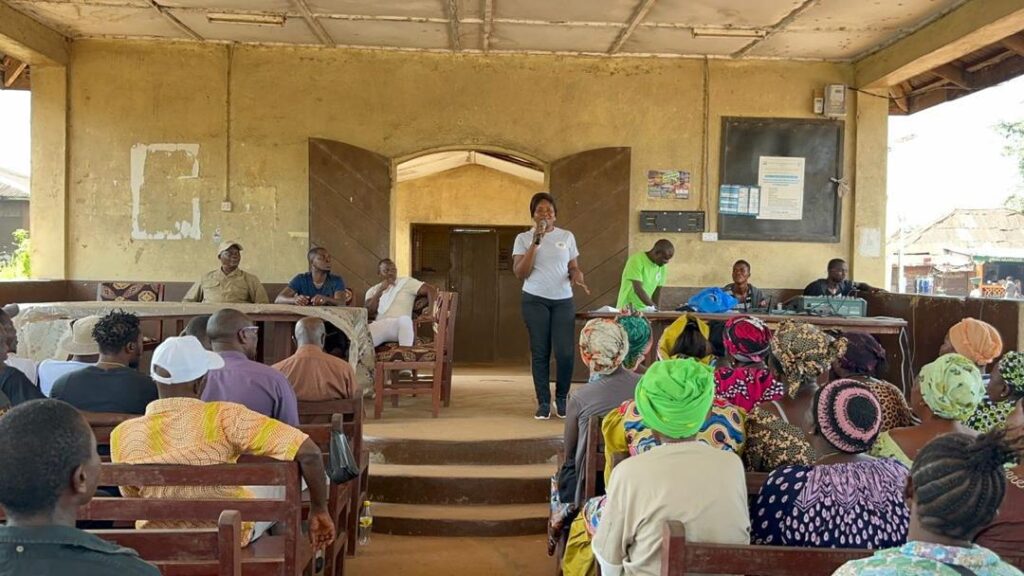
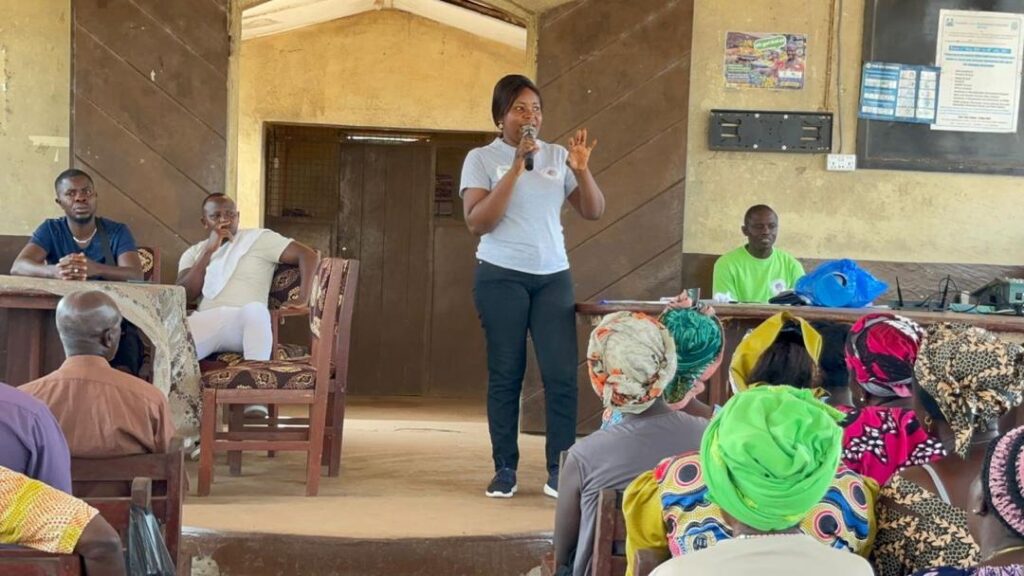
Yet her efforts do not end in research alone. Knowledge, in Sunnah’s hands, is not meant to sit idle. As part of her community-centered initiatives, she and her team at Strong Girls Evolution are planning outreach drives in Sierra Leone to educate the public on how existing laws and policies can be leveraged to guard against digital violence. Awareness, after all, is often the first line of defense.
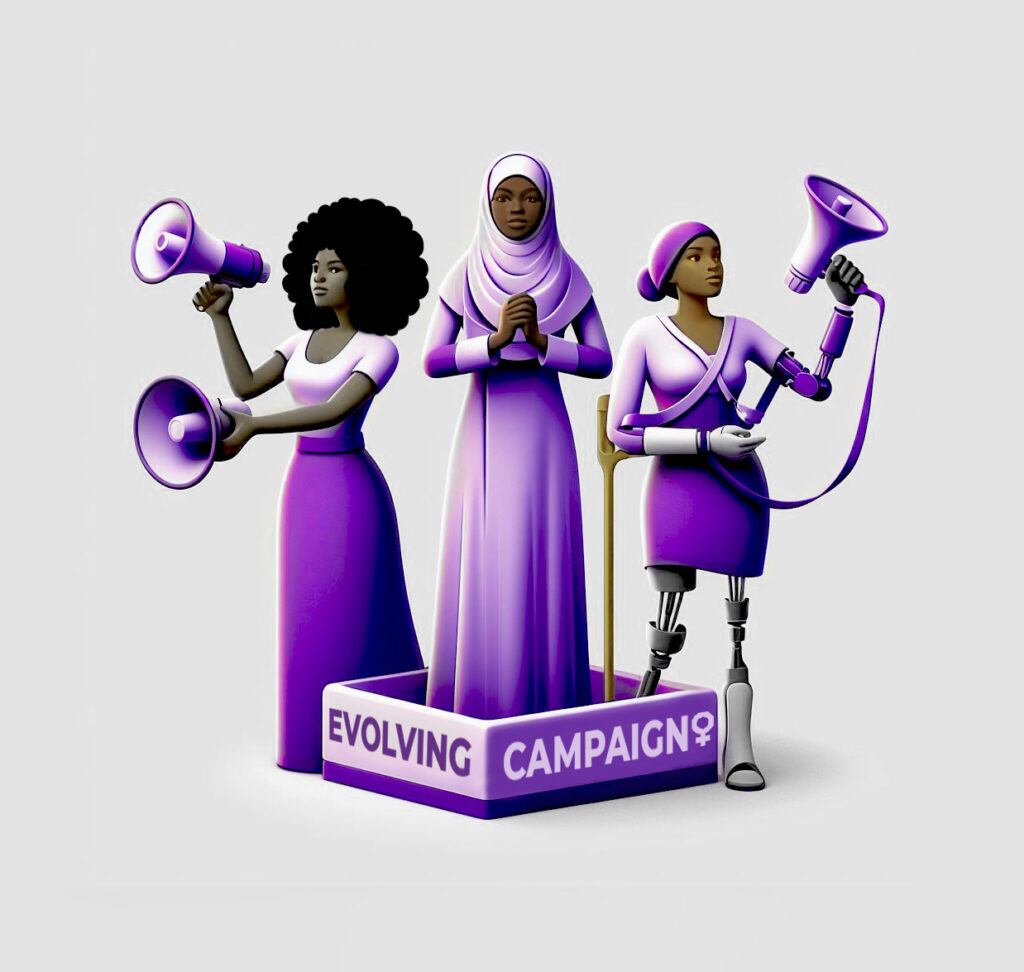
Her work embodies the spirit of Give To Gain, the International Women’s Day 2026 campaign celebrating the transformative power of generosity and collaboration. When individuals and communities share knowledge, resources, and time, they expand what is possible for women and girls. They create pathways to safety, confidence, and opportunity.
Through research, advocacy, and engagement, Sunnah is dismantling the conditions that allow digital violence to persist. By giving her expertise and her energy, she helps women and girls reclaim their digital spaces, strengthen their voices, and participate online without fear.
To learn more about Strong Girls Evolution and the work they are advancing, visit: https://www.stronggirlsevolution.org/