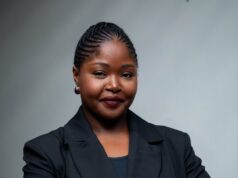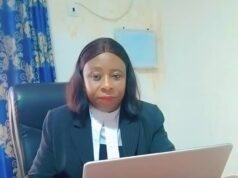









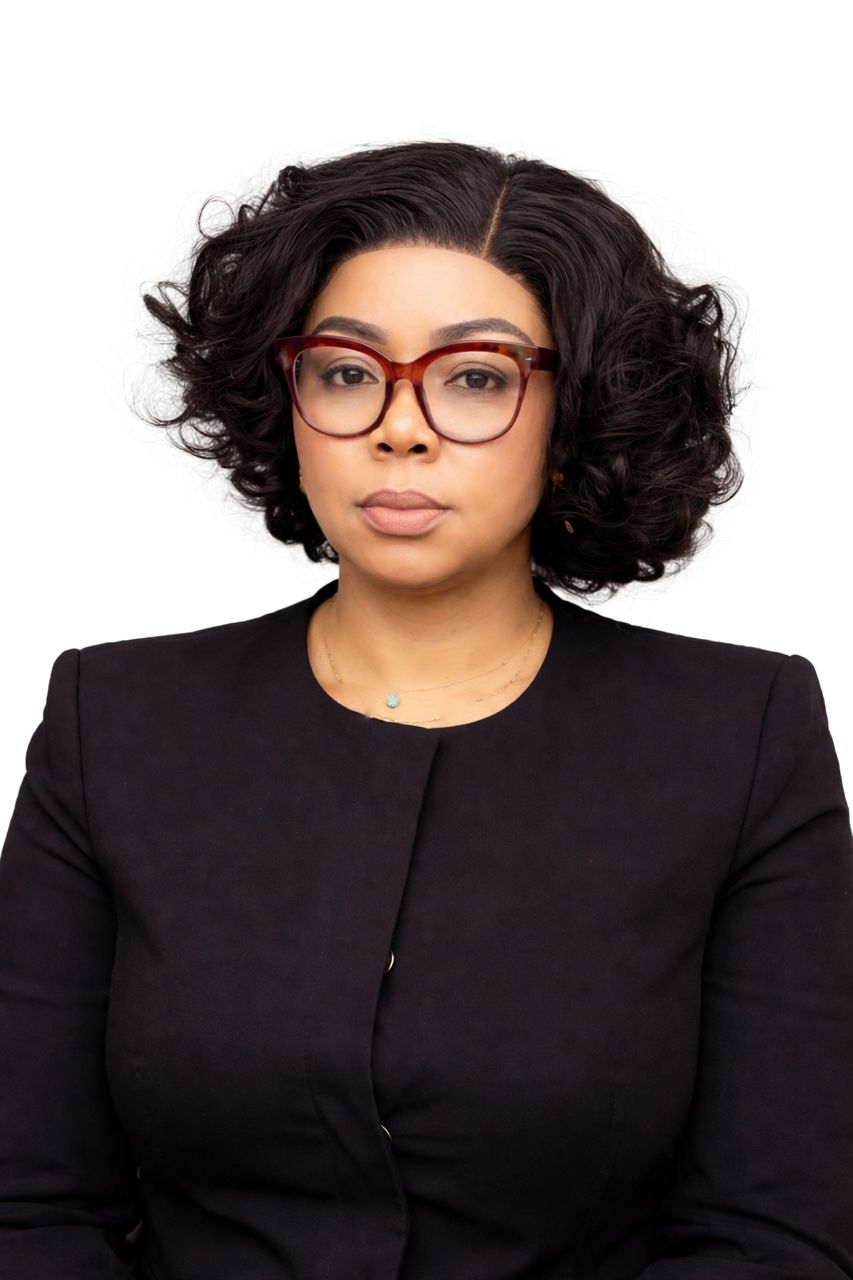
In Sierra Leone, where the law often meets the weight of tradition and lived reality, the pursuit of gender justice is urgent. For many women and girls, justice is something fought for daily in homes, communities, and institutions that have long overlooked their voices. Yet, amid these challenges, advocates arise daily to reshape the meaning of justice through the power of the law, and Janisa Momodu is one of those leaders.
Her journey into the legal field is not just a professional path but a commitment to confronting inequality and standing alongside those whose rights are too often denied. Whether addressing gender-based violence, advocating for access to justice, or engaging with communities at the grassroots level, her work reflects a belief that the law should serve everyone equally in both principle and practice.
This is the story of how one woman’s dedication intersects with a broader movement for change in Sierra Leone through the Centre for Gender and Social Justice. It is a story of resilience, advocacy, and the ongoing struggle to transform legal systems into tools of true gender justice.
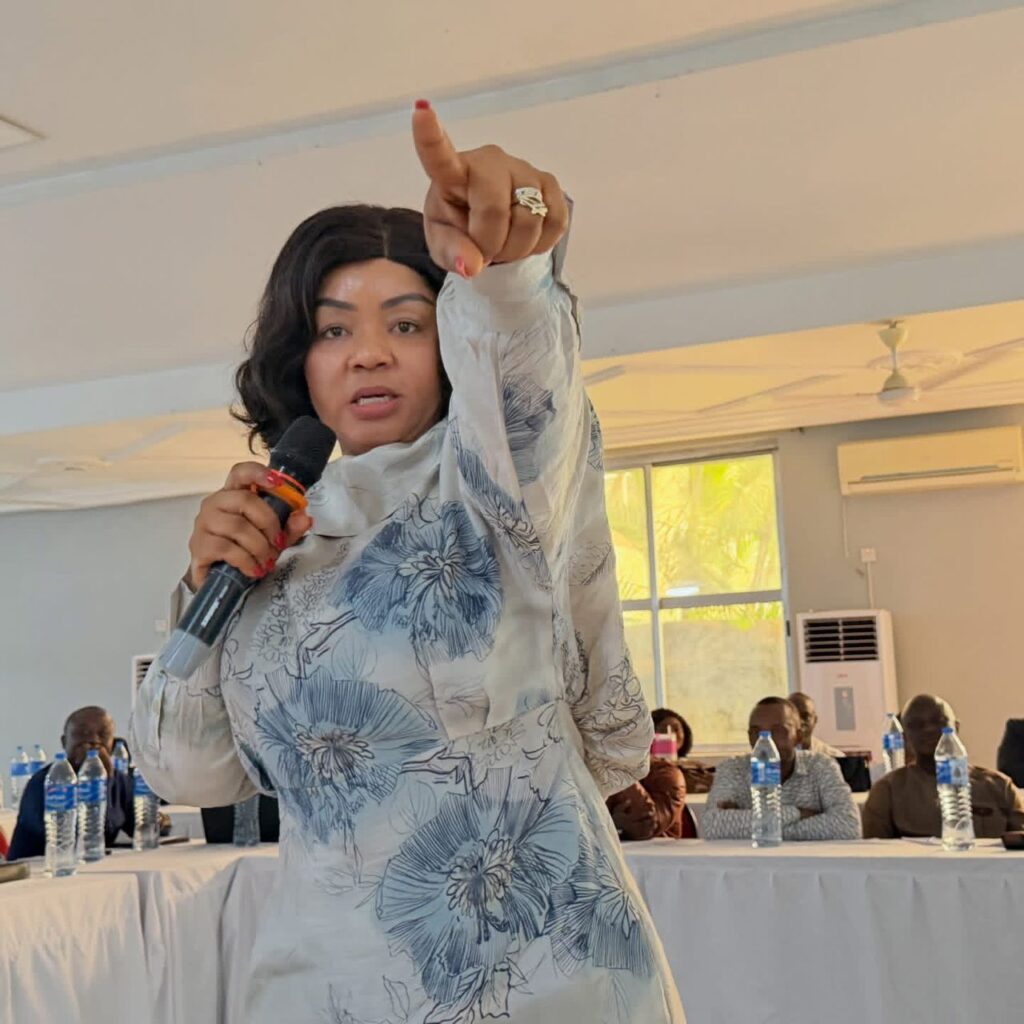
What first inspired you to pursue law and gender justice, and what personal or professional experiences shaped your commitment to this path?
“What inspired me to pursue law and gender justice was not simply ambition; it was lived experience, observation, and a very early awareness of how unequal life can be for women who do not have access to power, resources, or protection.
Growing up, I saw closely what it means for a woman to carry responsibility alone while navigating a system that does not always respond in her favour. My mother approached the legal system with a certain level of fear and caution, not because she lacked faith in justice, but because she had experienced what it feels like to seek help and receive an outcome that did not reflect the reality of her situation. She once pursued legal redress in relation to family responsibility and support, but the process did not translate into meaningful relief. I watched her work tirelessly through small businesses and odd means just to provide stability and keep life moving.
At the same time, I became aware of the contrast between struggle and comfort in that situation: my father, living a life that reflected stability and affluence, while my mother carried the full weight of responsibility. That contrast stayed with me, not in bitterness, but in understanding. It showed me very early that justice is not always balanced and that access to fairness is often shaped by circumstance.
Beyond my home, I grew up in Brookfields in a compound where many families lived together, both relatives and tenants, so I was constantly exposed to different household realities. In that environment, gender-based violence was not something I heard about, it was something I lived around. I would wake up to the sound of women being beaten, I saw verbal abuse, humiliation, women being driven out of their homes, and then returning, not because the situation had changed, but because they had nowhere else to go.
What affected me most was the pattern behind it. Many of these women were economically dependent on the same men who were abusing them. The men were the providers, and the women had no independent means of survival. So, they stayed. The abuse continued, sometimes for years, because leaving meant uncertainty, hunger, and instability. It was a cycle where the victim depended on the perpetrator, and that dependency kept the cycle of abuse alive.
Seeing that repeatedly shaped how I understood power, inequality, and silence. It made me realise that justice is not just about laws on paper; it is about whether people actually can access protection and make choices.
So, when I chose to study law, it was not accidental. It was intentional. It was my way of understanding the system that I had seen fail people and positioning myself to be part of changing that narrative. Through my work in public service, international law, and gender studies, I came to understand clearly that the law can either reinforce inequality or become a tool for transformation.
My commitment to gender justice is rooted in all of this, what I saw at home, what I saw in my community, and what I continue to see in society. It is personal, it is purposeful, and it is driven by the belief that no woman should have to choose between survival and safety, and no one should be locked out of justice because they lack resources or support.”
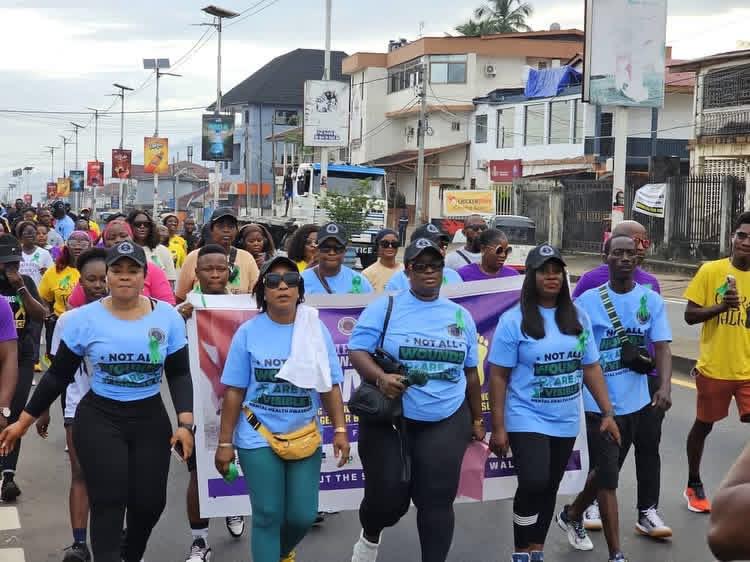
As Executive Director of the Centre for Gender and Social Justice, you lead programs that address gender inequality, violence prevention and women’s empowerment. What vision guides the work of the Centre and what impact do you hope it will have on women, girls and communities in Sierra Leone?
“The vision that guides the Centre for Gender and Social Justice is grounded in a very simple but powerful idea, that women and girls in Sierra Leone deserve to live with dignity, safety, and real opportunity, not just in theory, but in their everyday lives.
For me, this work is deeply connected to what I have seen growing up and what I continue to encounter in my professional life. Gender inequality is not just about rights on paper; it is about how those rights translate into lived reality. It affects whether a woman can leave an abusive relationship, whether she can access justice, whether she can earn independently, and whether she is treated with respect within her community.
At the Centre, we take a holistic approach because the issues are interconnected. We focus on legal empowerment, advocacy, research, and community engagement because change has to happen both at the institutional level and at the community level. It is not enough to have laws if people do not understand them, cannot access them, or are afraid to rely on them.
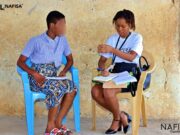
A key part of our work is making justice more accessible. We work to ensure that women understand their rights, but also that the systems meant to protect them become more responsive and humane. At the same time, we engage communities to address the underlying norms that sustain inequality and violence, including economic dependency, silence, and stigma.
The impact I hope for is long-term and transformative. I want to see women who are no longer trapped in cycles of dependence and abuse, women who are informed, confident, and able to make decisions about their lives. I want to see girls growing up with options, not limitations. I want communities where violence is not normalised, and where accountability and respect become the standard.
Ultimately, the Centre represents a space where law meets lived reality, where advocacy meets action, and where change is not just discussed, but actively pursued.”
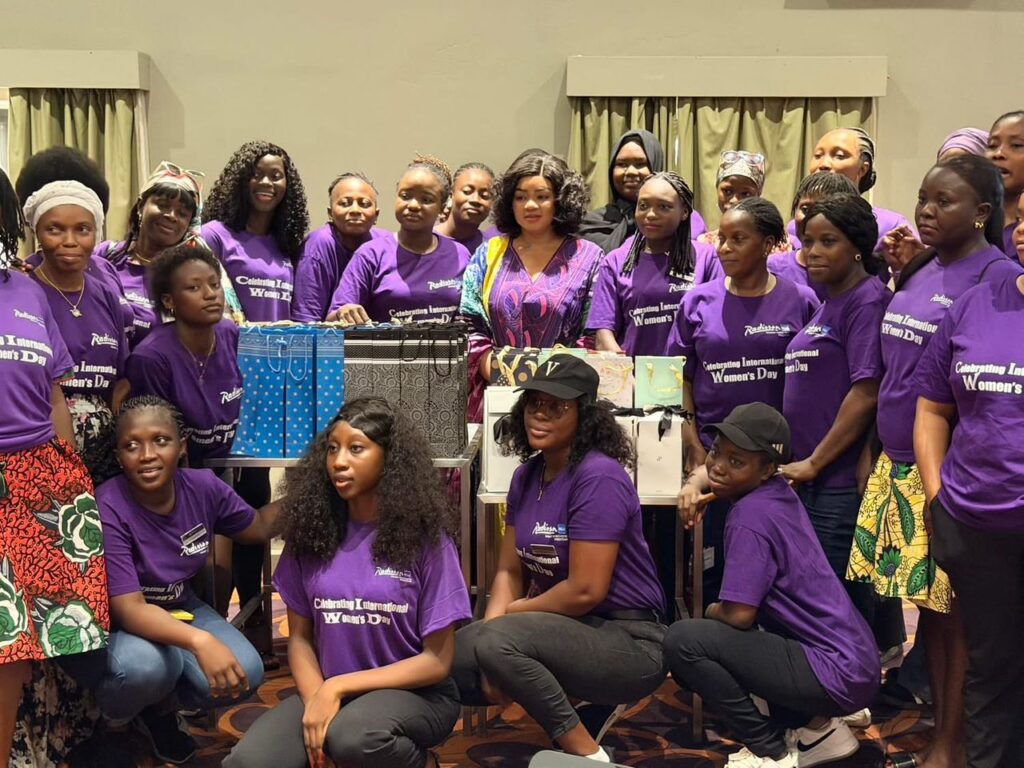
How do you approach influencing policy and social attitudes around gender justice in a society where cultural norms can sometimes hinder change?
“I approach this work with a balance of respect and clarity. Culture is an important part of identity and social structure, but it should never be used to justify harm or silence injustice.
My approach is rooted in engagement rather than confrontation. I work with traditional leaders, community stakeholders, policymakers, and women themselves to create space for honest conversations. When people feel included in the process, they are more open to questioning long standing norms and gradually shifting their perspectives.
At the policy level, I rely strongly on evidence and lived realities. My work in research allows me to present gender issues not just as social concerns, but as matters that affect economic development, governance, and national progress. When you connect gender justice to broader societal outcomes, it becomes more difficult to ignore.
I also understand that change is not immediate. Some norms are deeply rooted, and resistance is part of the process. But I believe in consistency, in continuing the conversation, in raising awareness, and in demonstrating through action that alternative ways of thinking and living are possible.”

You are deeply involved in mentoring young people and engaging law students on issues like gender crimes in international law. Why is it important to you to invest in the next generation of lawyers and advocates?
“It is important to me because the future of justice will be shaped by the people who come after us. If we want a legal system that is more responsive, more inclusive, and more grounded in reality, then we have to invest intentionally in the people who will lead it.
I see mentorship as more than guidance, it is about exposure, encouragement, and helping young people understand the power of the law beyond the courtroom. Many young people have the potential, but they need direction and support to fully realise it.
When I engage with law students, especially on issues like gender crimes in international law, I want them to see that the law is not abstract. It responds to real human experiences, conflict, injustice, and dignity. I want them to think critically about how they will use their knowledge, not just for personal advancement, but for impact.
Mentorship is also about representation. Young women, especially, need to see that they can occupy these spaces, that their voices matter, and that their perspectives are needed. For me, investing in the next generation is part of building a future where the law truly serves society.”
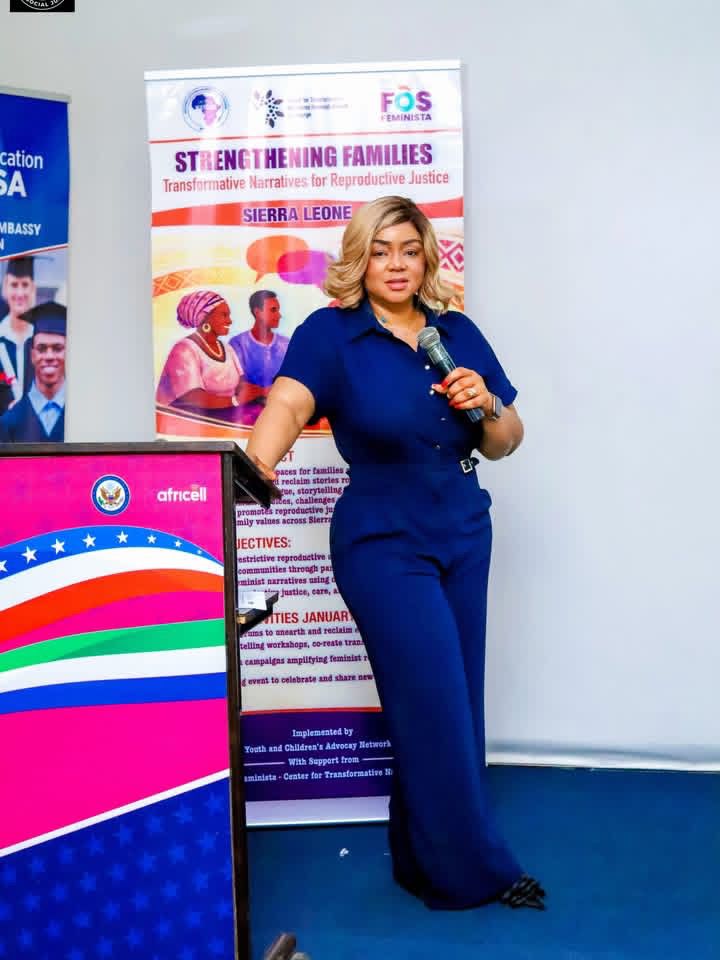
As someone shaping conversations on gender justice and women’s rights in Sierra Leone, what legacy do you hope to leave through your work and what message would you like young women and girls to take from your journey?
“The legacy I hope to leave is one of real impact, not just presence. I want to contribute to building a system where women and girls are not just aware of their rights but are able to exercise them fully and confidently.
I want to leave behind stronger institutions, more informed communities, and spaces where women feel supported, protected, and respected. I want my work to contribute to shifting how society responds to gender issues, not just at the policy level, but in everyday thinking and behaviour.
More importantly, I want my legacy to reflect consistency and purpose. This work is not always easy, and change does not happen overnight, but I want it to be clear that I remained committed and continued to show up.
To young women and girls, my message is that your circumstances do not define your future. Your voice matters, even when it feels unheard. There is strength in your story, even the difficult parts. Stay grounded, believe in your capacity, and do not be afraid to take up space.
You may not always find the door open, but you have the power to create your own path, and in doing so, make it easier for others to follow.”
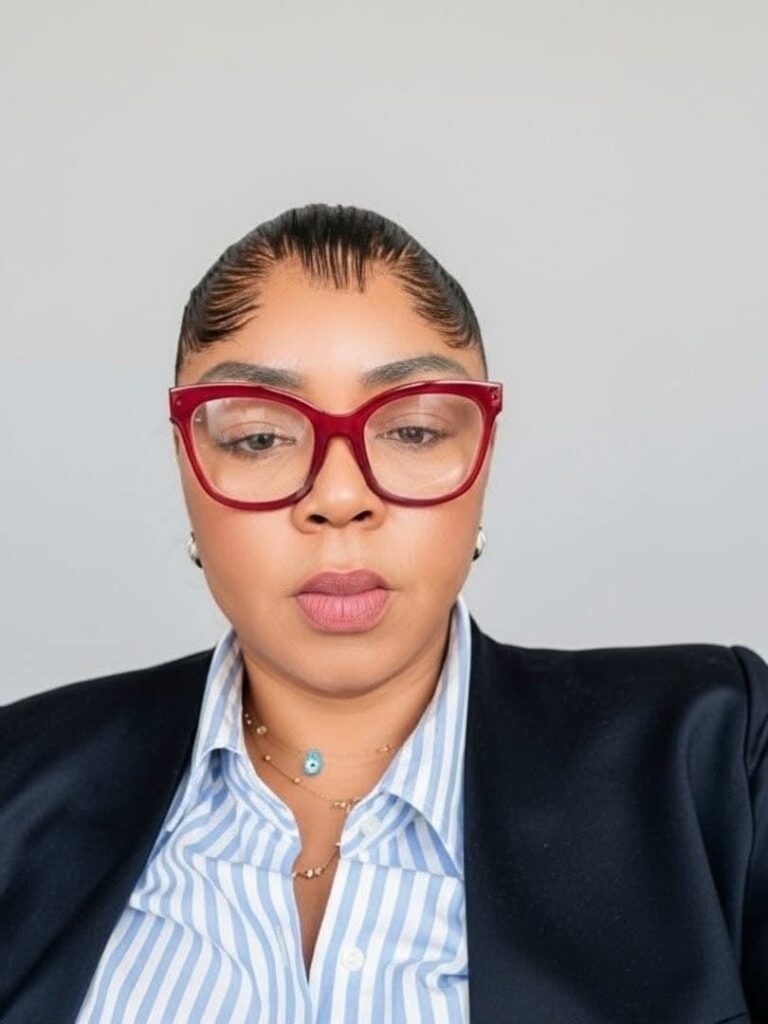
Advancing Sustainable Development Goal 5
Janisa Momodu’s story reflects a clear and consistent commitment to advancing gender justice through the law in Sierra Leone. Her journey goes beyond personal or professional development and shows a deliberate effort to use legal knowledge and advocacy as tools to address gender-based violence, expand access to justice, and support women and girls in understanding and exercising their rights. Through her work, she contributes to strengthening institutions, engaging communities, and creating spaces where women feel protected, respected, and empowered.
Her experience also demonstrates that achieving gender justice requires both individual dedication and broader societal change. It is not limited to reforms at the policy level but extends into everyday attitudes, behaviors, and responses to gender issues. By remaining consistent in her efforts and continuing to show up despite challenges, she reflects the persistence needed to drive meaningful and lasting impact.This mission aligns closely with Sustainable Development Goal 5, which focuses on achieving gender equality and empowering all women and girls. Janisa’s contributions support this goal by promoting awareness of rights, improving access to justice, and encouraging environments where women can participate fully and confidently in society.
Learn more about her work here: https://cgsjsl.org/