

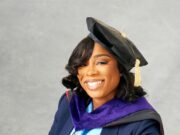


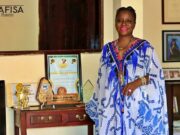
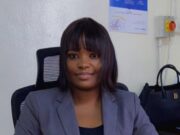

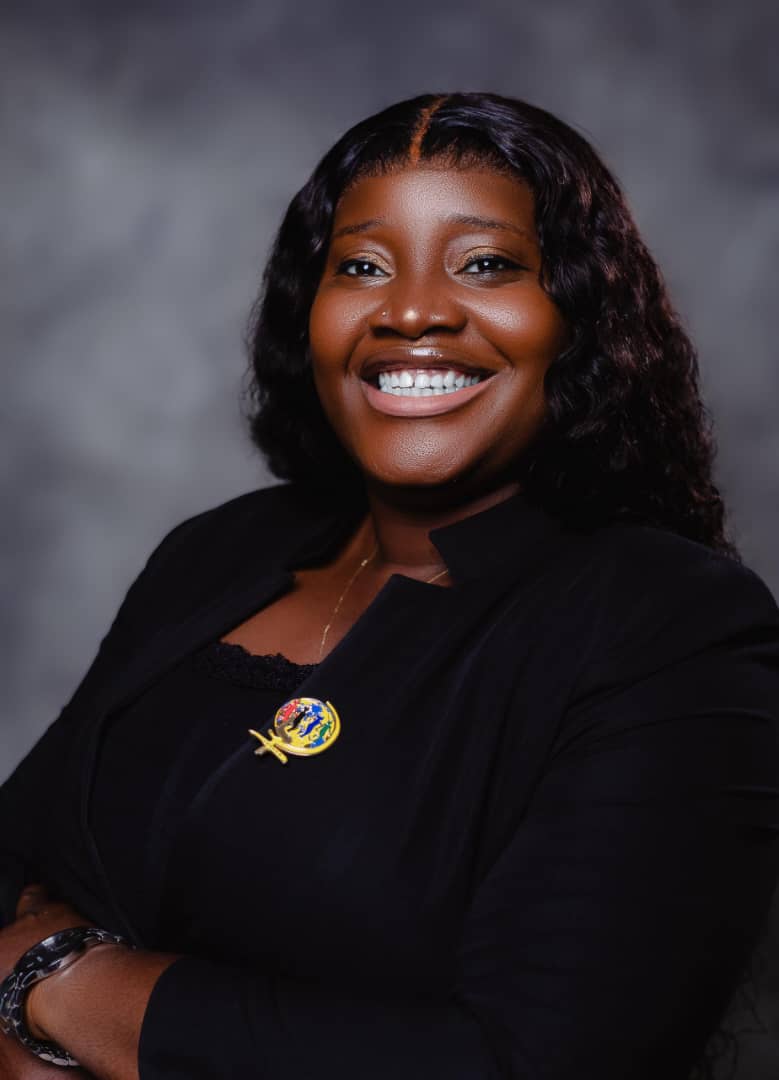
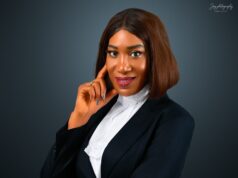
Meet Cecilia Ajokeh Thomas, the Vice President of Legal Access through Women Yearning for Equality Rights and Social Justice (L.A.W.Y.E.R.S.). Founded in 1997, L.A.W.Y.E.R.S. is a network of female lawyers committed to defending and advancing the rights of women and girls in Sierra Leone. The organization provides free legal advice and representation on a range of matters, including matrimonial disputes, maintenance, and sexual or domestic violence cases. Over the years, it has been actively involved in legal and social campaigns aimed at ending discrimination against women.
In the spirit of Give To Gain, we had the opportunity to speak with Ajokeh this month to learn more about her journey in advancing gender justice, exploring the challenges she has faced, the victories she has achieved, and the vision that drives her work.
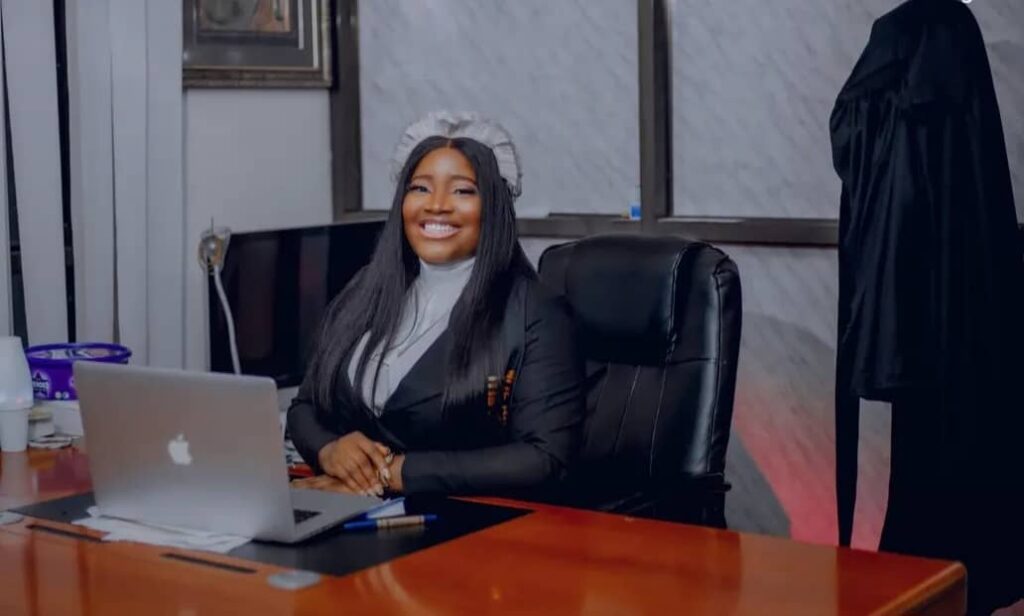
What first sparked your passion for gender justice, and how have your experiences shaped your work as Vice President of L.A.W.Y.E.R.S.?
“My passion for gender justice was shaped both by my environment and life-defining experiences. I attended St. Joseph’s Secondary School in Freetown, Sierra Leone, where, as a young girl, my initial aspiration was to become a student in the commercial stream. However, life had a different path for me, one shaped by the realities I witnessed and experienced around me.
During my school years, I had a close friend who was being abused by her stepfather. It was a painful situation, not only because of the abuse itself but also because of the silence that surrounded it. She was constantly told to keep quiet to “protect the family.” I frequently visited their home and witnessed a deeply violent environment. Her mother was also subjected to regular physical abuse. As a young girl, it was difficult to understand how such injustice could be normalized and silenced.
At the same time, I experienced violence and abuse in my own life during my university days while pursuing my first degree. These experiences were not easy, but they became the turning point that reshaped my purpose. What began as confusion and pain gradually transformed into courage and determination. After completing my first degree, I made a conscious decision to change my career path and pursue law.
That decision was driven by a desire not just to understand the law but to use it as a tool for protection, advocacy, and change. Today, as Vice President of L.A.W.Y.E.R.S., my work is grounded in those lived experiences. They have given me empathy, resilience, and a strong commitment to ensuring that women and girls are no longer silenced but are empowered to speak up, seek justice, and live free from violence.”
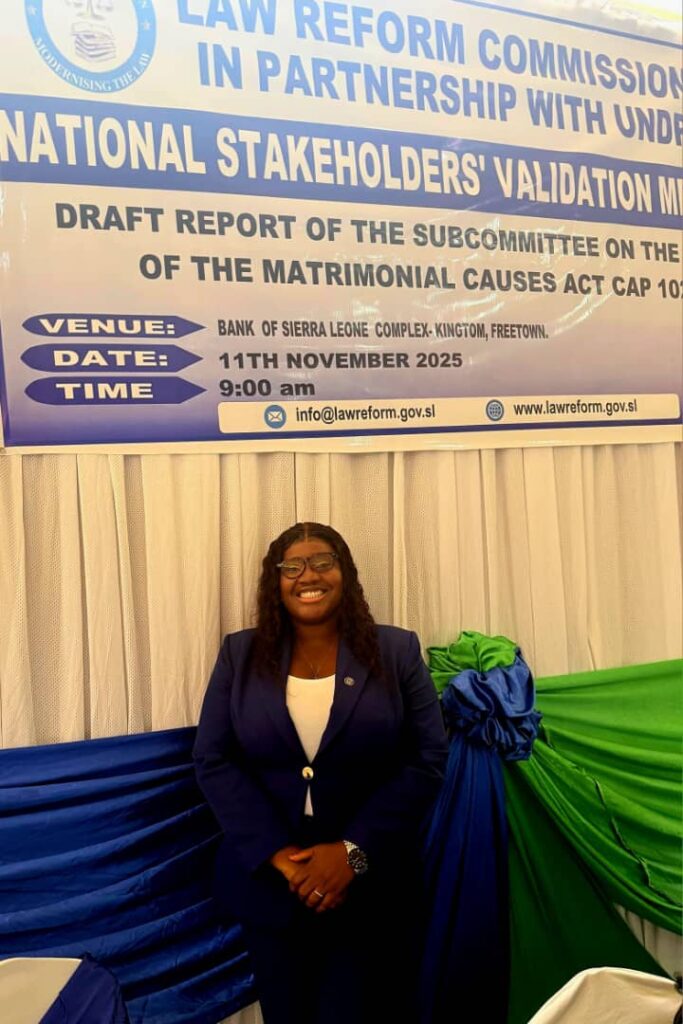
In your work promoting gender equality and empowering women in Sierra Leone, which of your personal strengths have been most important, and how have they shaped the impact you’ve been able to make?
“In my work promoting gender equality and empowering women in Sierra Leone, some of my most important personal strengths have been resilience, empathy, courage, and a deep sense of purpose.
Resilience has been central to my journey. Having experienced and witnessed abuse at a young age, I developed the ability to rise above difficult circumstances and remain focused on creating change. That resilience continues to sustain me in this work, especially when confronting deeply rooted cultural norms that often silence women.
Empathy is another strength that shapes my impact. Because I have lived through similar experiences, I can connect genuinely with survivors of violence. I do not approach them only as a lawyer but as someone who understands their fears, their silence, and their strength. This has helped me build trust and create safe spaces where women feel heard and supported.
Courage has also played a critical role. Speaking against domestic violence and advocating for women’s rights in our society is not always easy. It requires the willingness to challenge long-standing beliefs and systems. My courage allows me to stand firm in these spaces and to amplify the voices of those who may not yet have the strength to speak for themselves.
Finally, my strong sense of purpose keeps me grounded. I do not see this work as just a profession but as a calling. Through my role as Vice President of L.A.W.Y.E.R.S., these strengths have enabled me to contribute meaningfully to legal awareness, advocacy, and support systems for women and girls. They have shaped the impact I make by ensuring that my work is not only professional but also deeply human and transformative.”
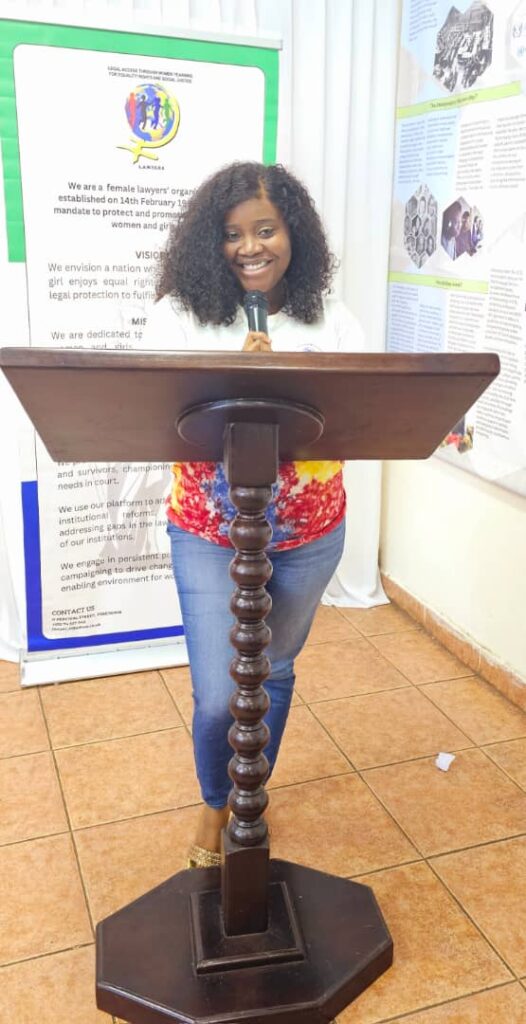
Many women, especially in underserved communities, face significant challenges. What barriers have you seen in your work, and how have you worked to overcome them?
“In my work with women, particularly in underserved communities, I have encountered several persistent barriers that hinder their ability to access justice and live free from violence.
One of the most prominent challenges is the culture of silence. Many women are conditioned to endure abuse quietly to protect family reputation or avoid societal judgment. This silence is often reinforced by fear, stigma, and lack of support. For example, women who speak out are sometimes blamed, accused of provoking the abuse, or judged for their clothing. To address this, I have been actively involved in community sensitization and awareness initiatives, creating safe spaces in my private circle where women are encouraged to speak up and understand that seeking justice is both their right and a step toward dignity.
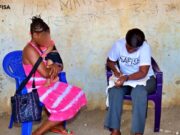
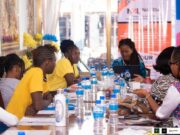
Another major barrier is the lack of legal awareness. A significant number of women are unaware of their rights or the legal remedies available to them. Through L.A.W.Y.E.R.S., we have taken legal education directly to the grassroots through mobile legal clinics, market outreach, and public engagements, simplifying legal information so that it becomes accessible and practical for everyday women.
Economic dependence also plays a critical role. Many women remain in abusive situations because they lack financial independence. In response, our approach goes beyond legal support to include empowerment, encouraging women to build confidence, explore opportunities, and seek support systems that can help them make independent decisions.
Additionally, weak enforcement of laws and societal attitudes can discourage women from pursuing justice. In some cases, even when protections exist, implementation is limited. To overcome this, I engage in advocacy and collaboration with relevant stakeholders, consistently pushing for accountability and stronger protection mechanisms for survivors.
Overall, my approach has been to combine legal access with empathy, education, and community engagement. By meeting women where they are and equipping them with knowledge and support, we are gradually breaking down these barriers and helping them move from silence to empowerment.”
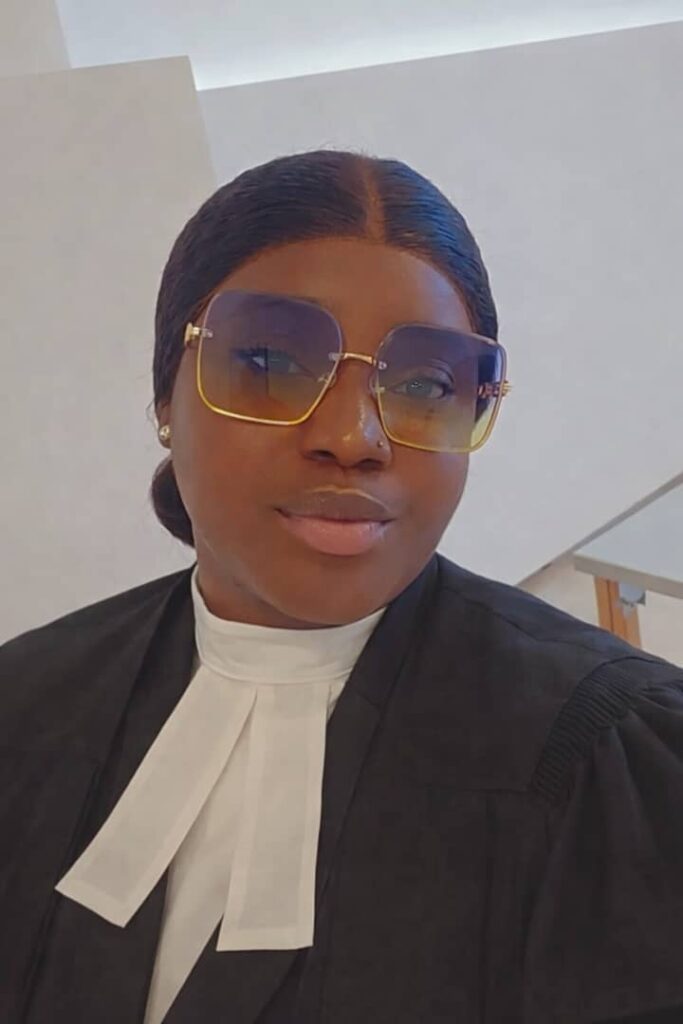
Through your advocacy, you engage both legal systems and community structures. How do you navigate cultural norms and societal attitudes that may limit women’s access to justice and equality?
“Navigating cultural norms and societal attitudes is one of the most delicate yet essential aspects of my advocacy. In many of the communities I work in, tradition and culture play a significant role in shaping perceptions about women, family, and justice. While these cultural values are important, some of them can unintentionally limit women’s ability to speak out or seek protection.
My approach has always been one of engagement rather than confrontation. I recognize that change is more sustainable when communities feel respected and included, not challenged or dismissed. Therefore, I work to bridge the gap between the law and culture through dialogue, education, and trust building.
Through community outreach and legal awareness programs, I simplify legal concepts and relate them to everyday experiences. I engage not only women but also men, community leaders, and family heads because lasting change requires collective understanding. When people begin to see that protecting women’s rights strengthens families and communities rather than breaking them, there is often a shift in attitude.
I also rely heavily on cultural sensitivity and empathy. Instead of imposing legal principles in isolation, I contextualize them within the community’s values, emphasizing dignity, respect, and protection, which are principles that most cultures already uphold. This makes it easier for people to accept and internalize the message.”
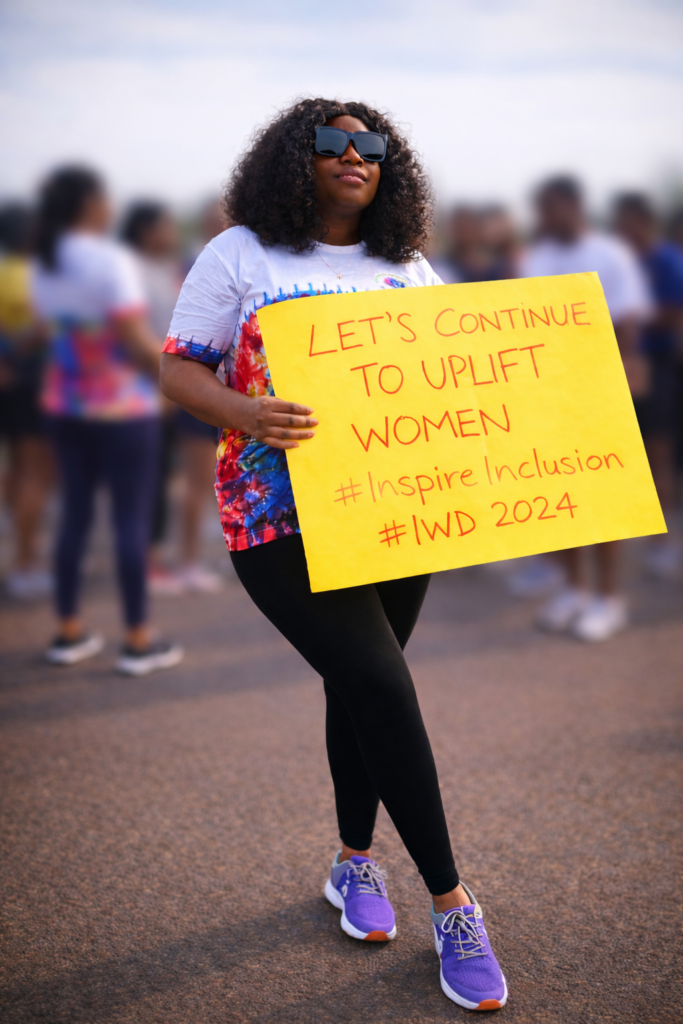
Mentorship and capacity building are critical in sustaining progress. How does L.A.W.Y.E.R.S. support and inspire the next generation of female lawyers, activists, and justice advocates?
“At L.A.W.Y.E.R.S., we recognize that mentorship and capacity building are essential for sustaining progress in gender justice and legal advocacy. Our commitment is not only to address present challenges but also to intentionally raise a generation of women who are equipped, confident, and ready to lead.
We support and inspire the next generation through intentional mentorship and exposure. Young female lawyers and aspiring advocates are given the opportunity to learn directly from experienced practitioners within our network. Through guidance, shared experiences, and practical engagement, we help them understand both the legal profession and the realities of advocacy work.
We also focus on capacity building through training and community engagement. By involving young women in our outreach programs, such as mobile legal clinics, market sensitization, and public awareness initiatives, they gain hands-on experience. This not only strengthens their legal knowledge but also builds their confidence in engaging with real societal issues.
In addition, we create a supportive and empowering environment where women are encouraged to use their voices. We emphasize leadership, collaboration, and the importance of giving back. By doing so, we instill a sense of responsibility in them not just to succeed individually but to uplift others.
Importantly, we lead by example. As women in leadership within L.A.W.Y.E.R.S., we demonstrate that it is possible to break barriers, challenge limitations, and make a meaningful impact. This visibility alone serves as a powerful source of inspiration for younger women who aspire to follow similar paths.
Through mentorship, practical engagement, and continuous support, L.A.W.Y.E.R.S. is building a pipeline of strong, compassionate, and capable women who will continue the work of advancing justice, equality, and social change.”
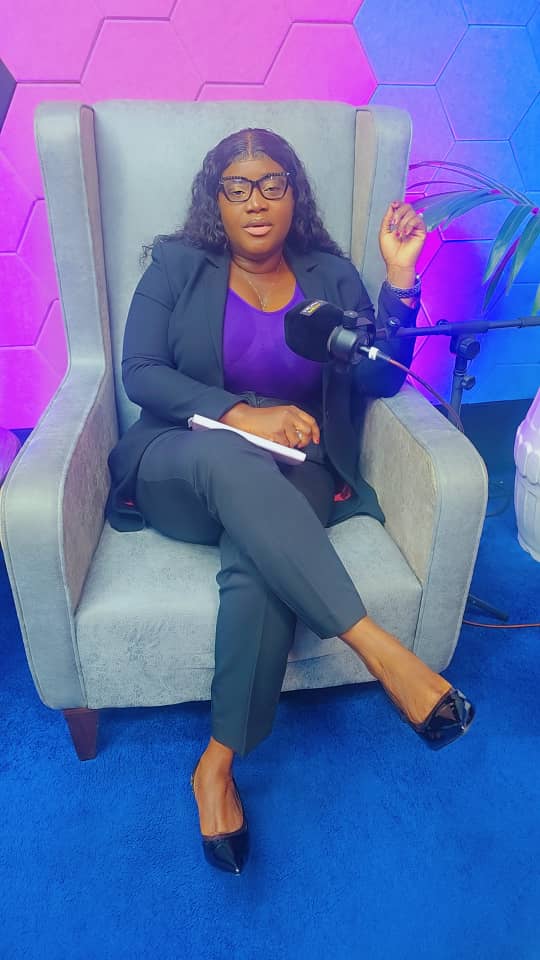
Turning Pain into Power
From survival to justice, Cecilia Ajokeh Thomas’ journey demonstrates how personal pain can become a force for change. The challenges she faced, including witnessing abuse, experiencing injustice firsthand, and navigating societal and cultural barriers, shaped her into a resilient advocate for women and girls in Sierra Leone.
Through her leadership at L.A.W.Y.E.R.S., Ajokeh has turned her experiences into action, giving back to her community in the spirit of Give to Gain. She embodies what access to justice looks like in practice, as outlined by UN Women. This includes laws that protect women and girls from violence and ensure accountability, laws that prevent and end discrimination, justice systems that believe women and girls without bias, legal aid that all women and girls can access and afford, and support to help women recover when their rights are violated. Through her mentorship, advocacy, and community engagement, she ensures that women and girls are empowered to speak up, seek justice, and thrive.
Ultimately, “Turning Pain into Power” is a testament to resilience, courage, and the transformative impact of giving. Ajokeh’s life and work show that by turning personal experiences of adversity into action for others, one person’s courage can create collective empowerment and lasting change.
Learn more about her work here: https://www.facebook.com/people/Legal-Access-through-Women-Yearning-for-Equality-Rights-Social-justice/100064815783597/#








Good afternoon ma.
I have been following your story recently.
But I want to know if it’s only sierra Leone or do you also reached out to other African countries.
I am please to see some women speaking for girls and women that can not speak for themselves.
How to you support them so that they can become independent.
Thank you.
Keep it up Madam Cecilia, keep empowering and creating the platform for women to strive and overcome domestic violence and all forms of injustice
Keep the good work madam, may you achieve the goal and turn our women’s lives around for better themselves for their future.
Reading her profile and doing some background research on the impact Ajokeh has created in Sierra Leone from the correctional centres across Sierra Leone to the cooperative arena both Sierra Leone and abroad is impeccable. I believe she’s got a lot to offer in the modernisation of the Sierra leone Judiciary with transparency and freedom for all in Sierra Leone. Go on Lady keep it going!!
Super proud of you. Continue to shine and the grace of God almighty will never depart from you.